Unlock Seamless Care: A Strategic Guide to Healthcare Patient Transport in Yuma
Effective transportation is the backbone of patient care, connecting individuals to the essential medical services they need. Whether it’s routine outpatient appointments, hospital discharges, or specialty care transfers, healthcare patient transport Yuma plays a critical role in ensuring patients receive seamless and timely care.
For hospital and hospice administrators in Yuma, mastering the intricacies of patient transport isn’t just beneficial—it’s essential for operational efficiency and enhanced patient outcomes. This guide sheds light on the best practices, considerations, and solutions for healthcare patient transport Yuma in the Yuma region.
Introduction: Why Healthcare Patient Transport in Yuma Matters
Yuma’s expanding healthcare landscape necessitates a reliable transportation infrastructure that prioritizes patient safety, comfort, and punctuality. From patients with limited mobility to those requiring long-distance transfers to specialized facilities, transportation services must cater to a wide range of needs.
Reliable healthcare patient transport Yuma solutions empower healthcare providers to bridge these gaps in care efficiently, working with partners like Yuma Medical Transport (YMT) to elevate service standards. Streamlined, professional transportation ensures patients experience compassionate care beyond clinical settings.
Key Points to Consider for Healthcare Patient Transport in Yuma
1. Tailoring Transport Services to Patient Needs
Every patient is unique, and effective transportation must account for their specific requirements. Key features include:
- Wheelchair-Friendly Vehicles: Patients with mobility challenges must have access to ADA-compliant vans designed for comfort and convenience.
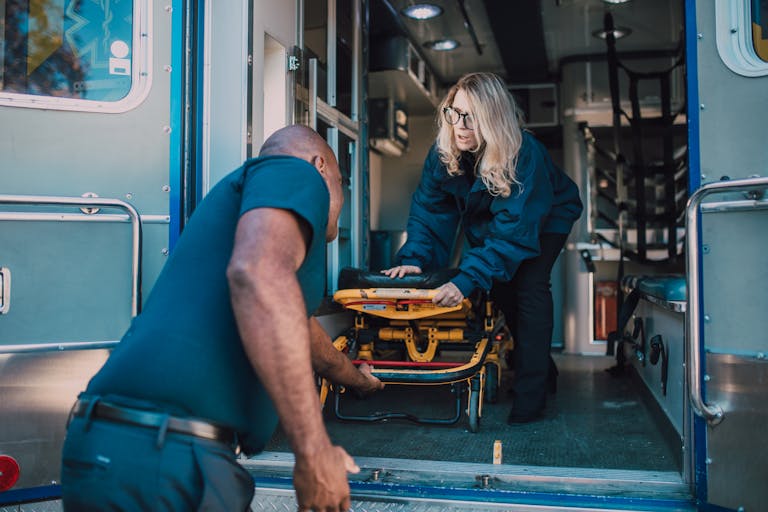
- Stretcher Transport Capabilities: For patients unable to sit upright, vehicles should accommodate stretchers with secure restraint systems for safety.
- Onboard Support Staff: Specially trained personnel can assist patients with medical needs, such as monitoring vital signs, managing oxygen, or ensuring a comfortable environment during transit.
By addressing these needs, healthcare patient transport Yuma services ensure patient dignity and care are maintained throughout the journey.
2. Efficient Scheduling and Coordination
Timely transportation is crucial for maintaining patient appointments and discharge schedules. Healthcare administrators should prioritize:
- Digital Scheduling Tools: Streamline transportation requests, track vehicle availability, and adjust schedules in real time.
- GPS Tracking Capabilities: Live location updates help keep care teams and families informed of arrival and departure times.
- Pre-Arrival Communication: Ensure clear communication between transport providers, patients, and care teams to avoid delays or confusion.
Efficient scheduling prevents bottlenecks and supports a positive patient experience.
3. Long-Distance Transport Options
Patients frequently need to travel outside Yuma for specialized medical services. Long-distance transport solutions are essential in these cases, offering:
- Comfort-First Transportation: Vehicles equipped with reclining seats, spacious interiors, and climate control minimize patient discomfort during extended trips.
- Onboard Medical Care: Personnel who can provide supervision and address basic medical needs make long-distance travel safe and stress-free.
- Seamless Facility-to-Facility Transitions: Coordinating with receiving care teams ensures patients are admitted without delays or gaps in their treatment plan.
Long-distance transport services allow healthcare facilities to expand their reach while accommodating patient-specific requirements.
4. Financial Accessibility and Transparency
One of the biggest barriers to healthcare transportation for patients is cost. Facilities can create accessible care pathways by offering:
- Insurance Verification: Coordinate with patients to determine coverage eligibility for non-emergency medical transportation services.
- Private Pay Options: Flexible payment plans help families manage out-of-pocket costs while accessing necessary transport services.
- Service Agreements: Hospitals that partner with transport providers on recurring contracts can secure cost-effective options for routine or high-volume patient needs.
Clear, upfront pricing ensures patients and families feel supported throughout their medical journey.
5. Prioritizing Safety and Compliance
Safety is non-negotiable in healthcare transportation. Ensure your providers meet Arizona’s standards and prioritize:
- Certified and Licensed Providers: Partner only with transport companies that meet state and federal compliance regulations.
- Ongoing Staff Training: Drivers and onboard attendants should receive training in CPR, emergency response, and sensitive patient handling.
- Well-Maintained Vehicles: Frequent inspections and thorough cleaning protocols keep vehicles safe, operational, and hygienic.
Choosing compliant, safety-first transportation providers ensures peace of mind for patients and their families.
6. Compassionate Patient-Centered Transport
The best healthcare transport providers understand that this service is about more than logistics—it’s a continuation of care. Look for:
- Empathetic Staff: Transport teams should treat patients with respect, sensitivity, and understanding.
- Flexibility for Family Participation: Allowing loved ones to join patients during travel helps alleviate anxiety and improve the overall experience.
- Customized Care Options: Whether it’s adjusting travel times or accommodating medical equipment, personalized attention makes all the difference.
Patient-focused transport elevates the standard of care while building trust in your facility’s services.
FAQs About Healthcare Patient Transport Yuma
Q: What types of services do healthcare patient transport providers offer?
A: Services include non-emergency medical transport, wheelchair or stretcher-friendly vehicles, long-distance transport, and hospital discharge transportation.
Q: How do I ensure timely transport for recurring appointments?
A: Advanced scheduling and automated reminder systems minimize missed appointments while keeping patients on track for regular care like dialysis or physical therapy.
Q: What if a patient needs to travel to another city for treatment?
A: Long-distance transport services ensure safe and comfortable extended trips, with onboard medical staff available for monitoring if needed.
Q: Are transportation costs covered by insurance?
A: Many insurance plans, including Medicaid and Medicare, cover non-emergency transport for qualifying patients. For uncovered services, providers often offer private pay options.
Q: How can hospitals choose the right transport provider?
A: Look for certified providers like Yuma Medical Transport (YMT) with well-trained staff, safety-compliant vehicles, and a history of professional service.
Conclusion: Elevating Healthcare Patient Transport in Yuma
Empowering patients with reliable healthcare patient transport Yuma services helps ensure smooth and uninterrupted care across facilities. Whether coordinating routine transfers, supporting long-distance travel, or managing everyday discharge needs, healthcare administrators have the tools to deliver seamless and compassionate experiences.
By partnering with trusted providers like Yuma Medical Transport (YMT), offering financial accessibility through private pay options, and prioritizing safety and efficiency, hospitals and hospices can make transportation a stress-free and valuable part of the patient care journey.