Unlocking Seamless Patient Journeys: The Essential Hospital-to-Home Transportation Guide for AZ Healthcare Partners
For patients being discharged from a hospital, one of the most critical aspects of their recovery journey starts with getting home. Hospital-to-home transportation AZ is far more than a ride—it’s an integral link in the chain of healthcare delivery that ensures patients receive the care and support they need once outside the hospital doors.
For hospital and hospice administrators, establishing efficient and patient-centered hospital-to-home transportation systems can enhance continuity of care while reducing stress for patients and their families. This guide explores best practices, key considerations, and practical solutions for seamless patient transitions across Arizona.
Introduction: The Importance of Hospital-to-Home Transportation
Patient discharges are a pivotal moment in the care continuum, marking the transition from hospital-based treatment to recovery at home or in a long-term care facility. However, for many patients—particularly those with mobility challenges or medical needs—leaving the hospital isn’t as simple as calling a cab.
Dedicated hospital-to-home transportation AZ services provide safe, reliable, and comfortable transport tailored to individual patient needs, ensuring that the discharge process is smooth and stress-free. For healthcare administrators, partnering with providers like Yuma Medical Transport helps align transportation logistics with the hospital’s mission to deliver consistent, high-quality care.
Key Points to Consider for Hospital-to-Home Transportation in AZ
1. Understanding Patient Needs
Every hospital-to-home transition is unique, and effective transportation should cater to a range of requirements. Best practices include:
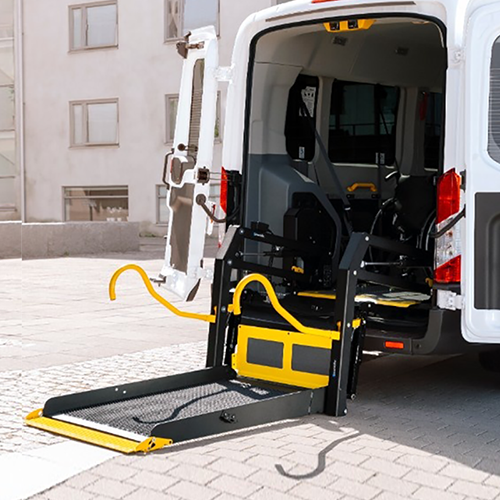
- Wheelchair Accessibility: ADA-compliant vehicles equipped with ramps and secure wheelchair restraints ensure a safe and comfortable experience for patients with mobility challenges.
- Stretcher Services: Patients unable to sit upright require stretcher-friendly vehicles with certified staff trained in handling such transfers.
- Onboard Medical Support: Some patients may need additional assistance, such as oxygen supply management or basic medical monitoring during transit.
Customizable services like those offered by Yuma Medical Transport ensure that each patient’s unique needs are met with professionalism and care.
2. Seamless Coordination for Discharge Planning
Hospital-to-home transportation should integrate seamlessly with the patient discharge process, which often involves multiple stakeholders, including nurses, case managers, and families. To ensure smooth coordination:
- Schedule in Advance: Pre-book transportation services to avoid delays during discharge and ensure patients can transition smoothly to their next stage of care.
- Real-Time Updates: Provide families and caregivers with live updates on vehicle arrival and expected drop-off times.
- Clear Communication: Transport providers, hospital staff, and families should work together to align schedules and address any patient-specific needs.
A well-coordinated process not only improves efficiency but ensures patients leave the hospital feeling cared for and supported.
3. Addressing Long-Distance Needs
In Arizona, patients often need to travel significant distances when transitioning from hospital care to home, particularly in rural areas or when accessing specialized care facilities. Long-Distance Transport services are essential for these cases, offering:
- Comfortable Rides for Extended Trips: Climate-controlled, spacious vehicles reduce physical strain and stress during long journeys.
- Safety and Monitoring on the Go: Onboard staff trained in medical care ensure patients remain stable and comfortable throughout the trip.
- Coordination with Receiving Caregivers: Effective communication ensures patients are welcomed by prepared caregivers at their final destination.
Long-distance transport ensures that every patient, regardless of location, can access the care and comfort they need.
4. Financial Accessibility and Transparency
Managing transport costs is a common concern for both healthcare administrators and patients. Offering financial flexibility can help alleviate this challenge while ensuring that no patient feels stranded:
- Insurance Coverage Options: Non-emergency medical transportation (NEMT) is often covered by insurance plans, Medicare, or Medicaid.
- Private Pay Options: Flexible, pay-as-needed pricing ensures that patients without coverage can still access transportation at an affordable rate.
- Partnership Negotiations: Hospitals can negotiate cost-efficient service contracts with transportation providers, benefiting from discounted rates for repeat or high-volume discharges.
Transparent communication about costs helps build trust and eliminates financial uncertainty for families.
5. Safety and Compliance are Non-Negotiable
When transitioning patients from hospital to home, ensuring safety is paramount. All transportation processes should adhere to stringent safety standards:
- Licensed and Certified Providers: Only work with providers that meet Arizona’s legal requirements for medical transportation services and have certified staff.
- Regular Vehicle Inspections: Ensure that vehicles are clean, well-maintained, and fully equipped to handle patient-specific needs.
- Emergency Readiness: Providers should have clear protocols in place to handle medical emergencies mid-transit.
Partnering with trusted professionals like Yuma Medical Transport ensures that safety and compliance remain at the forefront of your hospital’s transportation strategy.
6. Compassionate, Patient-Centered Care
At its core, hospital-to-home transportation is about creating a compassionate and supportive experience for patients. Outstanding services include:
- Empathetic Personnel: Transport drivers and staff trained in customer care understand how to handle sensitive situations with grace and professionalism.
- Flexibility for Family Requests: Accommodating family members during the ride fosters support and reassurance for patients.
- Customizable Solutions: Addressing specific needs, from pillow preferences to quiet, stress-free travel conditions, enhances the overall patient experience.
Patient-centered transportation reinforces the hospital’s commitment to maintaining the highest standards of care even after discharge.
FAQs About Hospital-to-Home Transportation in AZ
Q: What is hospital-to-home transportation?
A: It’s a tailored service that provides safe and reliable transit for patients leaving hospitals, ensuring they arrive home or at follow-up care locations comfortably and without stress.
Q: How can hospitals streamline the discharge process?
A: Pre-booking reputable transportation providers, like Yuma Medical Transport, and maintaining clear communication with all stakeholders improves the efficiency of patient discharges.
Q: Are long-distance transport options available in Arizona?
A: Yes. Long-Distance Transport services cater to patients traveling across cities or rural areas, ensuring their safety and comfort during longer journeys.
Q: Are transportation services affordable for patients without insurance?
A: Absolutely. Many providers offer Private Pay Options, allowing patients to pay out-of-pocket with flexible and transparent pricing plans.
Q: How do transport providers ensure safety during hospital-to-home transitions?
A: Certified providers employ trained personnel, maintain well-inspected vehicles, and adhere to strict safety protocols to ensure each patient’s well-being throughout the journey.
Conclusion: Redefining Hospital-to-Home Transportation in AZ
Hospital discharges mark a significant milestone in a patient’s care journey, and reliable hospital-to-home transportation AZ services ensure that this transition is smooth, safe, and stress-free. For healthcare administrators, working with trusted providers like Yuma Medical Transport simplifies discharge logistics while enhancing patient satisfaction.
With options like Long-Distance Transport for rural accessibility and Private Pay Options for financial transparency, hospitals can offer tailored, compassionate solutions that benefit patients and caregivers alike. By prioritizing safety, efficiency, and empathy, hospital-to-home transportation creates a seamless bridge between clinical care and at-home recovery.