Essential Tips for Safely Navigating Long-Distance Transport for Dementia Patients in Arizona
Transporting a loved one with dementia over long distances can be both an emotional and logistical challenge. Balancing the need for safety, comfort, and compassionate care during travel is crucial when arranging long-distance transport for dementia patients in AZ. Whether relocating to a care facility, moving closer to family, or traveling for specialized treatment, families in Arizona require dependable solutions tailored to the unique needs of dementia patients.
In this guide, we’ll walk you through the best practices, considerations, and essential details about arranging long-distance transport for dementia patients.
Introduction
Traveling with a dementia patient is no ordinary journey. It requires meticulous planning, professional services, and a deep understanding of their medical and emotional needs. For families in Arizona, Yuma Medical Transport (YMT) provides the necessary support to handle the complexities of transferring dementia patients with care and dignity.
Dementia patients often experience confusion, disorientation, or agitation, especially during travel. That’s why choosing a specialized transport service is key to making the process smooth and stress-free for everyone involved. Let’s explore how you can optimize long-distance transport for dementia patients in AZ by focusing on safety, comfort, and expert assistance.
Key Points to Consider for Long-Distance Transport for Dementia Patients in AZ
1. Understanding the Mobility and Emotional Needs of Dementia Patients
Patients with dementia often have unique transport needs due to cognitive decline, limited mobility, and potential medical conditions.
Key Transport Needs Include:
- Medical Monitoring: Long-distance travel requires vehicles equipped for real-time patient monitoring to ensure their safety.
- Experienced Staff: Accompanying personnel should be trained in dementia care, providing compassionate assistance and managing agitation or confusion during the journey.
- Familiarity and Comfort: Maintaining a calming environment with minimal stimuli can help reduce stress for patients with dementia.
YMT Partnership Services specialize in long-distance transport, offering solutions designed with dementia patients in mind, ensuring compassionate and qualified care at every step.
2. Best Practices for Safe and Comfortable Travel
Transporting a dementia patient over long distances requires strategic planning and attention to detail. Here are the best practices to follow:
2.1 Choose Specialized Providers
- Work with a transport provider experienced in caring for dementia patients. YMT has the necessary training, resources, and expertise to address challenges during the trip.
2.2 Focus on Safety Features
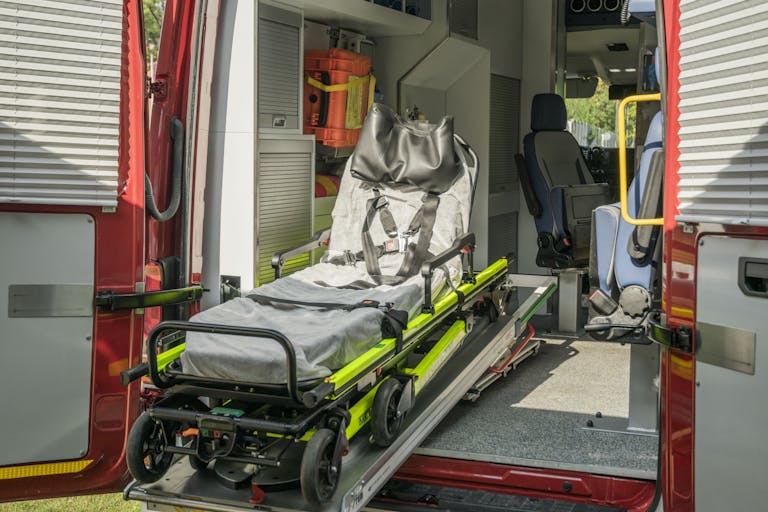
- Ensure that the vehicle is equipped with restraints for wheelchairs or stretchers and has proper ventilation and climate control, given Arizona’s extreme weather conditions.
2.3 Plan the Route Carefully
- Long trips can be overwhelming for dementia patients. Choose the fastest and smoothest routes, and plan for rest breaks in safe, quiet locations to minimize stress.
2.4 Pack Essential Items
- Familiar items such as blankets, photos, or personal belongings can comfort the patient during the journey. Pack any required medications, snacks, and drinks to keep the patient hydrated and comfortable.
2.5 Communicate with the Transport Team
- Provide detailed information about the patient’s condition, including triggers that may cause distress and techniques that help calm them down.
3. The Role of Specialized Vehicles in Dementia Patient Transport
Specialized vehicles are essential for long-distance transport, offering features designed to prioritize both safety and comfort.
Key Vehicle Features Include:
- Climate Control: Arizona’s hot summers and mild winters make temperature regulation crucial for patient comfort during long hauls.
- Medical Equipment: Vehicles are equipped with oxygen tanks, monitoring systems, and first aid supplies to handle any emergencies.
- Accessibility Tools: Wheelchair lifts, ramps, and spacious interiors accommodate mobility-impaired dementia patients effortlessly.
Opting for providers like YMT Partnership Services ensures access to state-of-the-art vehicles tailored for private pay options, offering families greater flexibility and a premium experience.
4. Costs and Financial Considerations
Long-distance transport for dementia patients involves cost considerations depending on the level of care required, distance, and vehicle type. Here’s how to plan financially:
Private Pay Options
- Many families opt for private pay services to secure premium benefits such as flexible scheduling, more comfortable vehicles, and custom care packages. YMT offers clear pricing structures for families who need frequent or one-time transport solutions.
Insurance Coverage
- While some health plans may partially cover non-emergency medical transport, it’s best to confirm details with the provider. Private pay options are often the most comprehensive and easy to arrange.
5. Why Arizona Families Rely on Professional Transport Services
Arizona’s unique geography, spanning bustling metropolitan areas and rural or remote regions, makes long-distance travel more challenging. Dementia patients benefit from services that account for:
- Arizona’s desert climate, where excessive heat can cause discomfort.
- The long miles between urban centers, requiring smooth, reliable transportation tailored for extended travel durations.
- Individualized care, which ensures dementia patients feel safe, heard, and understood during stressful journeys.
FAQs About Long-Distance Transport for Dementia Patients in AZ
Q1: Can family members accompany dementia patients during transport?
Yes, many providers allow family members or caregivers to join. A familiar face can provide comfort to dementia patients during long trips. Confirm with the provider if there are any seating limitations.
Q2: Are specialized vehicles necessary for all dementia patients?
Specialized vehicles are highly recommended, as they are equipped with accessibility features and medical tools to provide a safe environment throughout the journey.
Q3: How do providers handle agitation or confusion in dementia patients?
Experienced personnel are trained in dementia care techniques, such as using clear communication, minimizing environmental stimuli, and providing gentle reassurance to ease agitation.
Q4: Are private pay options worth considering?
Absolutely. Private pay options allow families to customize the transport experience, ensuring every detail aligns with the patient’s unique needs.
Conclusion
Arranging long-distance transport for dementia patients in AZ requires thoughtful planning, specialized services, and compassionate care. Whether transferring a loved one to a memory care facility, moving closer to family, or ensuring they can access the care they need, partner with professionals who have the experience and resources to make the process seamless.
With Yuma Medical Transport (YMT), families can rest assured knowing their loved ones are in caring hands. From state-of-the-art long-distance transport vehicles to trained personnel and private pay solutions, the journey becomes more than just a transfer—it’s a pathway to better care and quality of life.