Unlocking Seamless Long-Distance Care: Navigating Phoenix Hospitals’ Medical Transport Routes
Navigating medical transport in and around Phoenix can feel overwhelming, especially when arranging long-distance transfers for a loved one. Arizona’s largest city is home to world-class hospitals like Banner – University Medical Center, St. Joseph’s, and Mayo Clinic, making it a hub for advanced medical care. Ensuring safe and timely transport to and from these facilities requires careful planning and the right resources. Understanding the ins and outs of Phoenix hospitals medical transport routes is essential for families and patients needing a smooth, reliable journey.
In this guide, we’ll break down everything you need to know about medical transport routes in Phoenix, key considerations for long-distance transfers, and best practices for arranging safe and comfortable transit.
Introduction
Phoenix hospitals are often the destination for patients requiring specialized care, advanced treatments, or second opinions. However, when long-distance travel is involved—whether bringing a patient to Phoenix or moving them to facilities in nearby cities or states—the journey requires more than a standard vehicle.
Medical transport routes play a vital role in ensuring patients arrive safely and on time. From selecting efficient routes to understanding Arizona’s traffic and weather challenges, families must navigate multiple layers of logistics. Let’s explore how Phoenix hospitals medical transport routes can be optimized for worry-free transfers.
Key Points to Consider for Phoenix Hospitals Medical Transport Routes
1. Understanding Phoenix’s Medical Transport Landscape
Phoenix is a sprawling urban hub surrounded by desert terrain, making precise route planning essential for medical transport. Key factors include traffic patterns, highway infrastructure, and access to hospital entrances.
Top Phoenix Hospitals Commonly Used for Medical Transport:
- Banner – University Medical Center Phoenix
- Mayo Clinic Phoenix Campus
- St. Joseph’s Hospital and Medical Center
- Phoenix Children’s Hospital
- HonorHealth Scottsdale Shea Medical Center (commonly used for transfers between Phoenix and Scottsdale)
Why Route Optimization Matters:
- Efficient Routing: Reduces patient transport time, minimizing discomfort or complications during travel.
- Reliable Access: Ensures quick access to hospital emergency or loading areas, saving valuable time, especially in critical care situations.
- Smooth Transit: Careful navigation through Phoenix’s high-traffic areas ensures a smoother ride for patients sensitive to sudden stops or rough transportation conditions.
At Yuma Medical Transport, we specialize in planning long-distance transport with the most direct and stress-free routes in and out of Phoenix, ensuring your journey is as comfortable and safe as possible.
2. Best Practices for Phoenix Hospitals Medical Transport Routes
Planning a seamless medical transport route requires careful coordination and proactive decision-making. Follow these best practices to ensure trouble-free transport:
2.1 Tailor Route Planning to the Patient’s Needs
- Experienced Providers: Work with a provider experienced in transporting patients to Phoenix hospitals. They’ll know the best entrances for drop-offs and can coordinate with hospital staff for quick, efficient arrivals.
- Minimize Travel Time: Balance reducing travel time with accommodating patient needs, such as stops for medical evaluations, rest, or caregiver accompaniment.
2.2 Analyze Peak Traffic Patterns
- Avoid Rush Hours: Phoenix experiences heavy congestion during rush hours (7-9 AM and 4-6 PM). Schedule transport outside these times whenever possible to reduce delays and keep the patient comfortable.
2.3 Consider Climate and Weather
- Climate Control: Summers in Phoenix are notoriously hot, with temperatures regularly exceeding 100°F. Ensure vehicles are equipped with climate control to keep patients cool throughout the journey.
- Weather Contingencies: For winter storms that may impact routes to or from northern cities like Flagstaff, always have a contingency plan in place.
2.4 Coordinate Communication with Hospitals
- Seamless Handoff: Inform hospital staff of the patient’s ETA, current condition, and any special equipment or needs to streamline the handoff process upon arrival.
2.5 Use Specialized Vehicles
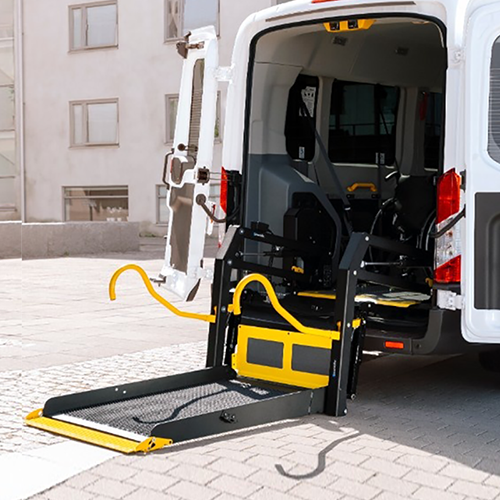
- Enhanced Care: Choose vehicles equipped with features like reclining stretchers, wheelchair access, and medical monitoring devices to provide care during transport.
3. Special Considerations for Long-Distance Transport to Phoenix Hospitals
For patients traveling hundreds of miles to access Phoenix hospitals, long-distance transport introduces unique challenges.
3.1 Address Distances Between Cities
- Expert Planning: Patients traveling from Tucson, Yuma, or even neighboring states like California and Nevada require providers skilled in planning multi-hour or overnight journeys. Efficiency and patient safety are paramount for these longer routes.
3.2 Secondary Stops at Supportive Facilities
- Stabilization Points: For patients coming from underserved rural areas, secondary stops at local health facilities for stabilization may be necessary before entering city limits.
3.3 Guaranteed Patient Comfort
- Ergonomic Features: Long-distance travel can be exhausting, especially for those recovering from surgery or dealing with chronic conditions. Ensure vehicles include ergonomic seating and options for reclined rest positions to reduce strain.
Yuma Medical Transport combines Arizona-specific route expertise with private pay options, offering tailored solutions for both local and interstate medical transfers.
FAQs About Phoenix Hospitals Medical Transport Routes
Q1: How do transport providers plan routes to Phoenix hospitals?
Experienced providers use GPS technology, real-time traffic updates, and specialized knowledge of hospital layouts to ensure efficient routes. They also coordinate with hospital staff to arrange seamless arrivals.
Q2: Are medical transport vehicles equipped for patients with chronic conditions?
Yes, transport vehicles are designed to accommodate a range of needs, from wheelchair and stretcher accessibility to onboard oxygen tanks and cardiac monitors.
Q3: Can family members accompany the patient during the transfer?
Many providers allow family members to ride along, especially for emotional support. Check with your chosen transport service to confirm seat availability.
Q4: How far in advance should I arrange medical transport?
For non-emergency transfers, it’s best to book at least one to two weeks in advance to allow for proper route planning and coordination with hospitals.
Q5: Are Phoenix hospitals medical transport routes covered by insurance?
Insurance may cover some non-emergency medical transport services, but private pay options are often more flexible and customizable for long-distance or non-standard routes.
Conclusion
Navigating Phoenix hospitals medical transport routes requires careful planning, attention to detail, and a reliable partner. Whether you’re booking a transfer for a loved one within Phoenix or facilitating a long-distance journey to its world-class medical facilities, selecting the right service provider ensures a smooth, efficient experience every time.
Arizona families can count on trusted partners like Yuma Medical Transport, who excel in tailoring long-distance transport solutions with patient comfort and safety at the forefront. With expertise in route optimization, specialized vehicles, and private pay flexibility, we make the process seamless from start to finish.