Mastering Medical Journeys: Your Essential Long-Distance Patient Transport Checklist in Arizona
Planning a long-distance patient transport in Arizona isn’t a task to take lightly. Whether it’s moving a loved one to a specialized medical facility, relocating for better care, or ensuring the safety of a senior citizen needing constant medical monitoring during transit, preparation is essential. With Arizona’s unique landscapes and weather conditions, the logistics become even more complex—making a detailed checklist an absolute must.
This guide delves into the essential elements of a long-distance patient transport checklist AZ, providing families with clear, actionable steps to plan safe, efficient, and stress-free patient transfers. By following these best practices and leveraging expert resources, you can ensure a smooth experience tailored to your loved one’s needs.
Introduction
Arizona offers a range of healthcare options, from top-tier hospitals in Phoenix and Tucson to smaller facilities in remote areas like Yuma and Flagstaff. For patients in need of long-distance medical transport, whether it’s within the state or across state lines, taking the time to plan a well-thought-out journey is critical.
The key to success lies in preparation. A long-distance patient transport checklist AZ is your roadmap to ensuring the patient’s comfort, safety, and well-being. From choosing the right provider to packing must-have items, every detail on this checklist plays an important role. Don’t worry—we’ll break it all down for you step-by-step.
Key Points: Best Practices for Long-Distance Patient Transport Checklist AZ
1. Essential Pre-Transport Assessments
Planning for long-distance patient transport begins with an in-depth assessment of the patient’s condition and needs.
What to Consider in Your Assessment:
- Medical Requirements: Does the patient need oxygen, IV medications, or constant vitals monitoring? Identify all equipment and care necessary during the trip.
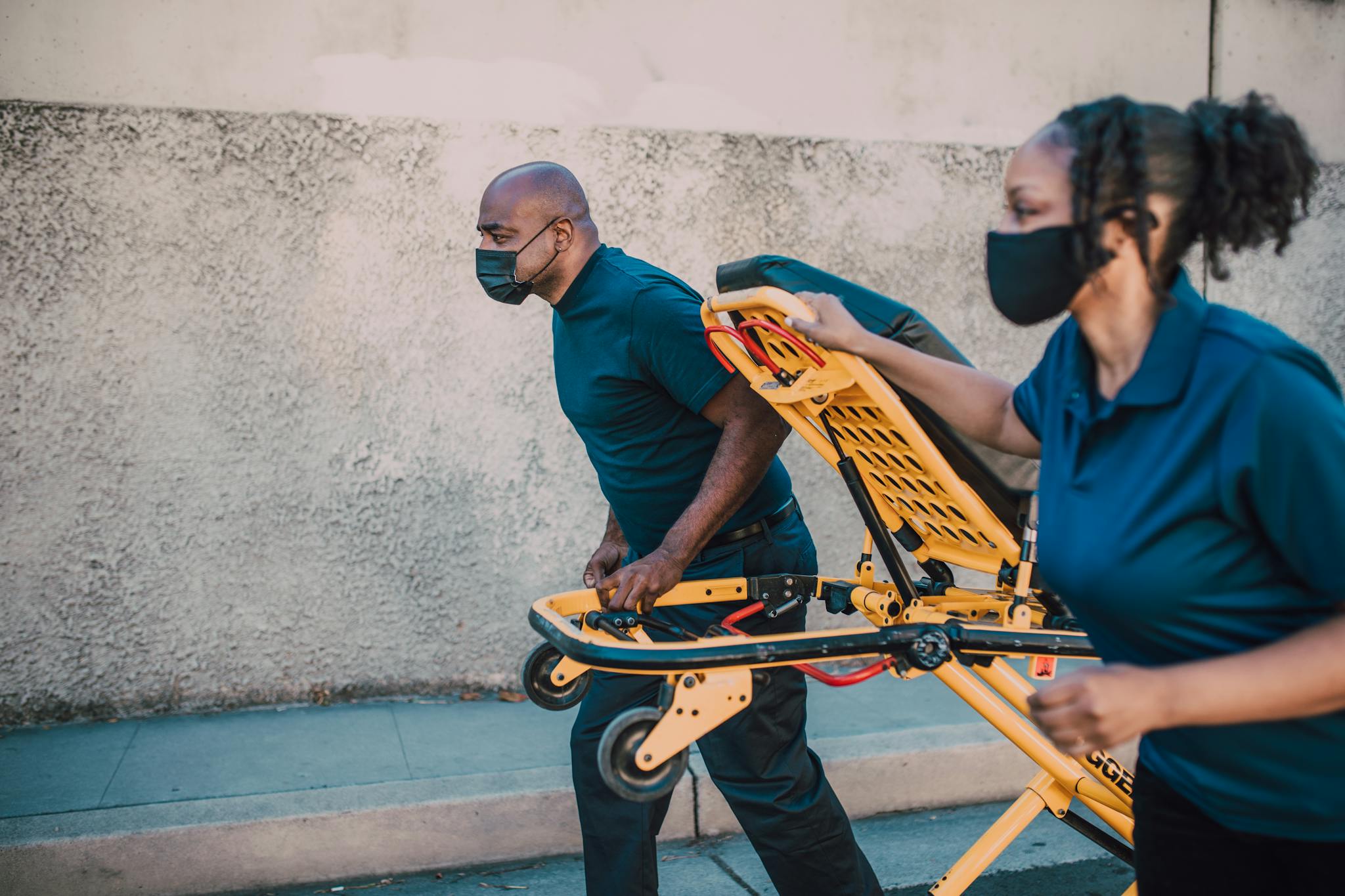
- Mobility Challenges: Determine whether the patient needs a wheelchair, stretcher, or other mobility aids for transport.
- Emotional Well-Being: For patients struggling with dementia or high anxiety, plan for comforting aids like music, blankets, or a caregiver to ride along.
Provider Highlight: Yuma Medical Transport conducts thorough pre-transport assessments to tailor their long-distance transport services to each patient’s medical and emotional needs.
2. Choosing the Right Transport Provider
Not all transport providers are created equal, so selecting a reliable, professional service is crucial. Make sure your provider has:
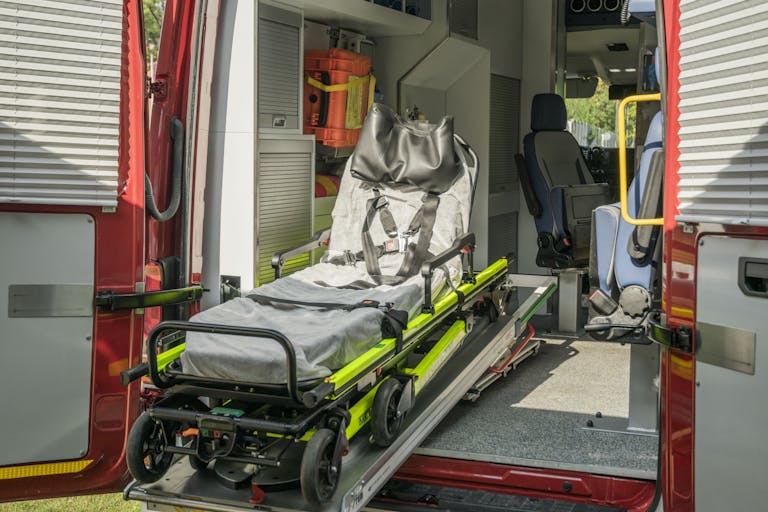
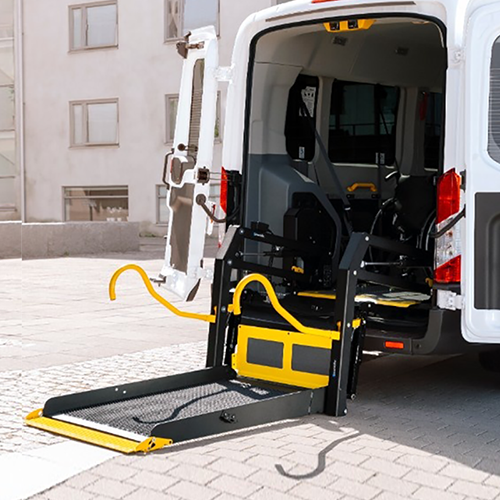
- Specialized Vehicles: Ensure vehicles are equipped with wheelchair lifts, stretchers, climate control, and secure medical equipment.
- Trained Medical Staff: Look for providers employing EMTs, paramedics, or nurses to assist with medical care during travel.
- Local Expertise: Companies familiar with Arizona’s roads and climate challenges will offer a safer, more efficient experience.
Pro Tip: The route between cities like Phoenix and Tucson often experiences traffic delays, while rural areas may lack easy access. Providers like Yuma Medical Transport know the best routes to navigate these unique challenges seamlessly.
3. Packing Essentials for the Journey
To avoid any mid-journey hiccups, ensure that you’ve packed everything needed for the patient, as well as any accompanying family members. Here’s your go-to packing checklist:
Medical Items:
- Medications (organized by dosage and time of administration)
- Medical equipment, like oxygen or a CPAP machine
- A list of the patient’s medical history, physician contact details, and prescriptions
Comfort Items:
- Blankets, cushions, or neck pillows for added relaxation
- Snacks and water (if allowed for the patient)
- Entertainment like books or headphones to ease boredom during long routes
Important Documents:
- Government-issued ID and insurance cards
- Written consent forms, especially for patients being transferred to a healthcare facility
- Contact information for family members and receiving facilities
4. Route Planning and Safety Procedures
Arizona’s unique geography brings specific challenges, especially for longer trips. A strong route plan and adherence to safety protocols ensure smooth travel.
What to Include in the Route Plan:
- Traffic Timing: Steer clear of rush hours, particularly in Phoenix or Tucson. Pre-plan backup routes to navigate around potential delays.
- Rest Stops: For trips lasting more than 2-3 hours, include scheduled stops to hydrate and check on the patient’s condition.
Safety Considerations During Transport:
- Always keep the patient strapped in securely, whether on a stretcher or in a wheelchair.
- Maintain constant communication between the driver and medical personnel for status updates.
- Ensure the vehicle’s climate is properly adjusted to keep the patient comfortable, especially during extreme heat in the summer.
5. Understanding Insurance and Payment Options
Before finalizing your transport plans, be clear on the payment details. Many patients require non-emergency transport, which may not always be covered by their insurance provider.
Consider These Payment Routes:
- Insurance Clarifications: Contact your insurance company to verify if non-emergency medical transport is included in your coverage.
- Private Pay Options: For quicker scheduling and higher flexibility, many families choose private pay providers like Yuma Medical Transport, which offer customizable plans tailored to specific needs.
FAQs About Long-Distance Patient Transport Checklist AZ
Q1: How far in advance should I book medical transport?
You should aim to book transport at least 1-2 weeks in advance to allow enough time for assessment and planning. However, reputable providers like Yuma Medical Transport can sometimes accommodate last-minute requests.
Q2: Can family members ride along during the transport?
Yes! Most providers allow one or more family members or caregivers to accompany the patient, as long as space permits in the vehicle.
Q3: What are Arizona’s unique challenges for medical transport?
The biggest challenges include navigating high-traffic areas like Phoenix, dealing with desert heat, and finding proper rest stops on long rural routes.
Q4: What happens if a medical emergency arises during transport?
Experienced providers have trained medical personnel onboard to address emergencies immediately. Vehicles are also equipped with emergency medical equipment.
Q5: Are specialized medical transport vehicles different from ambulances?
Yes. While ambulances are designed for emergencies, non-emergency transport vehicles focus on comfort, safety, and meeting individual medical needs over longer journeys.
Conclusion
Arranging a smooth and secure medical transfer may seem overwhelming, but with the right long-distance patient transport checklist AZ, you can ensure every detail is accounted for. Focusing on pre-trip assessments, working with a trusted provider, and preparing for Arizona’s unique challenges will lead to a stress-free, successful experience.
By choosing professional services like Yuma Medical Transport, families have access to state-of-the-art vehicles, trained medical staff, and customizable private pay options to meet their unique needs. Whether you’re transporting a senior, relocating for specialized care, or handling post-surgical transfers, this checklist is your ultimate roadmap for success.