Navigating Arizona: Essential Medical Transport Solutions for Veterans
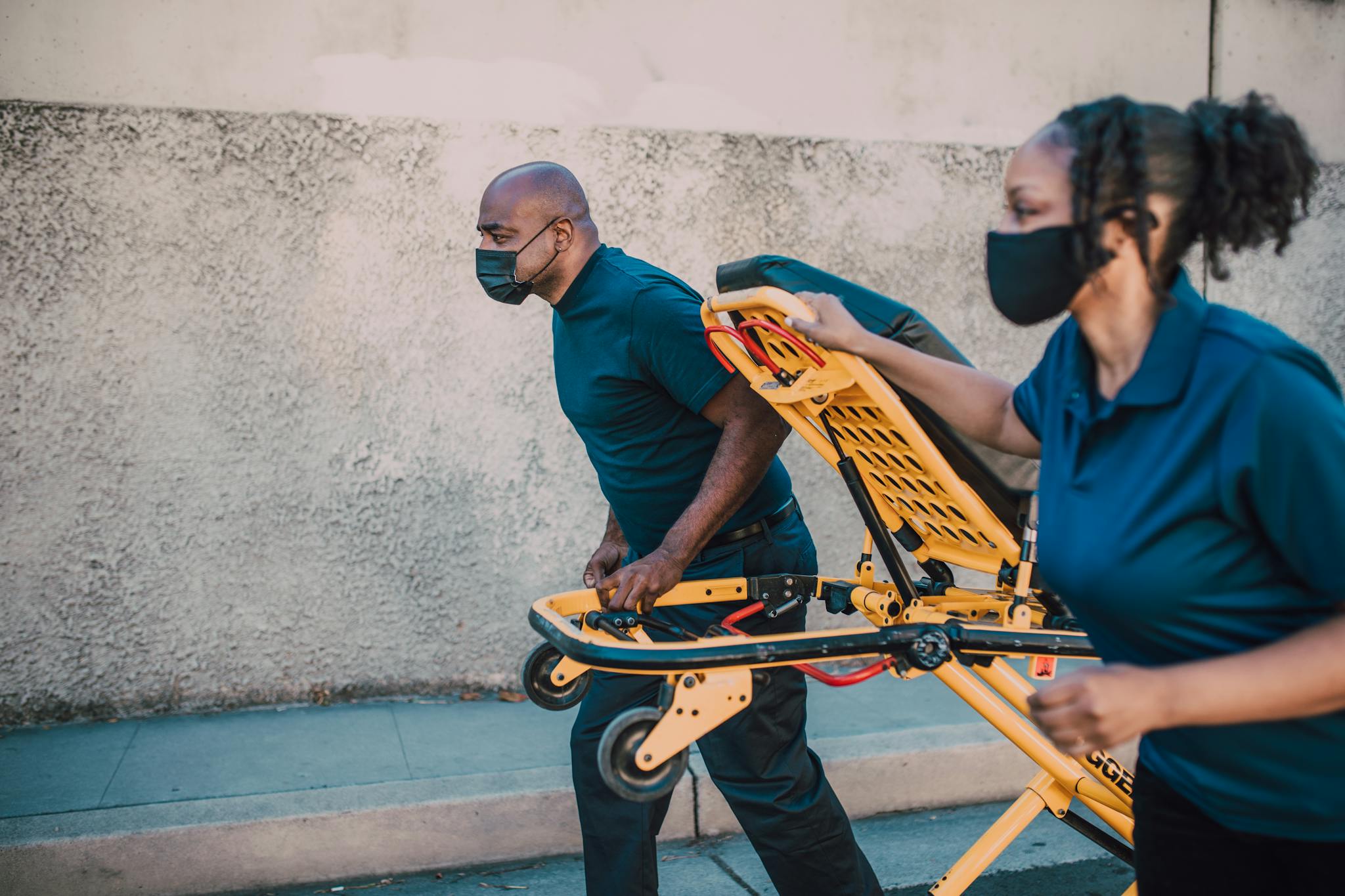
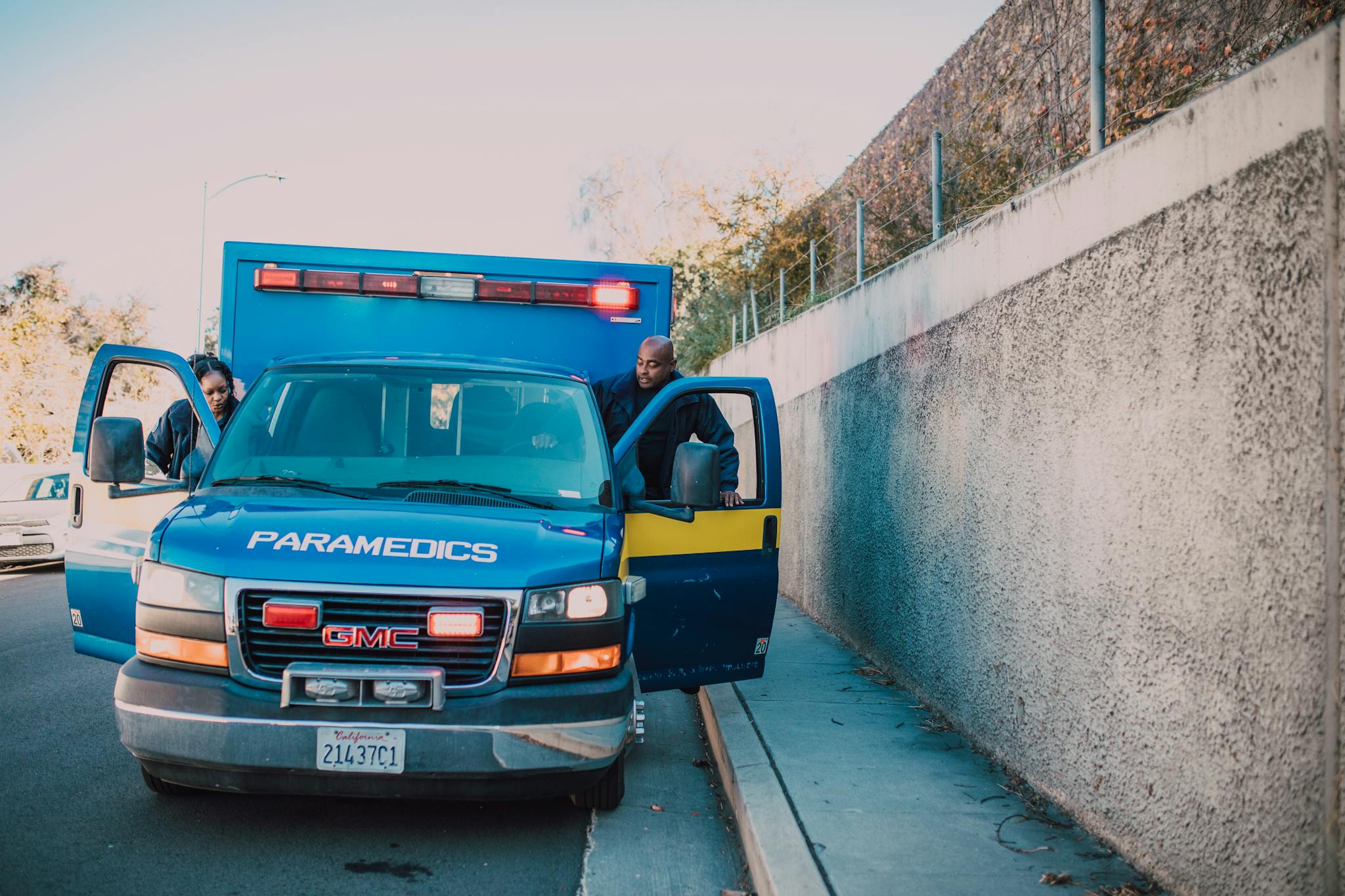
Veterans have dedicated their lives to serving our country, and ensuring they receive the medical care they need—whether for routine check-ups or specialized treatments—is our way of giving back. For veterans residing in Arizona, accessing healthcare often means traveling significant distances between rural communities and urban centers like Phoenix, Tucson, or Flagstaff. This is where medical transport for veterans AZ becomes essential, offering safe, professional, and efficient long-distance transportation tailored to meet the unique needs of those who have served.
From understanding available options to mastering best practices for planning veteran medical transport, this guide covers everything you need to know. Let’s simplify the process and ensure our veterans receive the care they deserve.
Introduction
Arizona is home to a large veteran population, many of whom rely on dedicated healthcare services at VA hospitals and clinics. However, these facilities are often spread out, requiring travel across counties or even state boundaries. Veterans living in areas like Yuma, Sierra Vista, or other rural towns frequently need to journey to Phoenix or Tucson for advanced care, making reliable transport coordination crucial.
While resources like Veteran Affairs (VA) transportation services are available, they may not always cover every unique requirement—especially for long-distance travel. That’s why specialized medical transport for veterans AZ services are vital. By focusing on safety, comfort, and accessibility, these services ensure that veterans can access medical care without the stress of organizing complex travel logistics themselves.
Key Points: Best Practices for Medical Transport for Veterans in AZ
1. Understand the Specific Needs of Veteran Patients
Veterans often face unique health challenges, including mobility limitations, chronic illnesses, or PTSD. When planning medical transport, understanding these specific needs is essential for a safe and comfortable journey.
Common Veteran Medical Needs for Transport:
- Specialized Care Requirements: Many veterans need long-distance transport to VA hospitals or clinics for specialized treatments, including physical therapy, dialysis, or mental health services.
- Mobility Support: Veterans requiring stretchers, wheelchairs, or other mobility assistance need vehicles equipped with lifts and secure seating.
- Emotional Support: Veterans with PTSD or anxiety may benefit from extra emotional support during travel.
Partnering with a provider experienced in veteran needs ensures that every aspect of their well-being—both physical and emotional—is prioritized throughout the journey.
2. Choosing the Right Medical Transport Provider
Not all transport providers are equipped to serve veterans effectively. Selecting a provider with the right experience, equipment, and understanding of veterans’ needs is critical for safe and efficient transport.
Key Features to Look For:
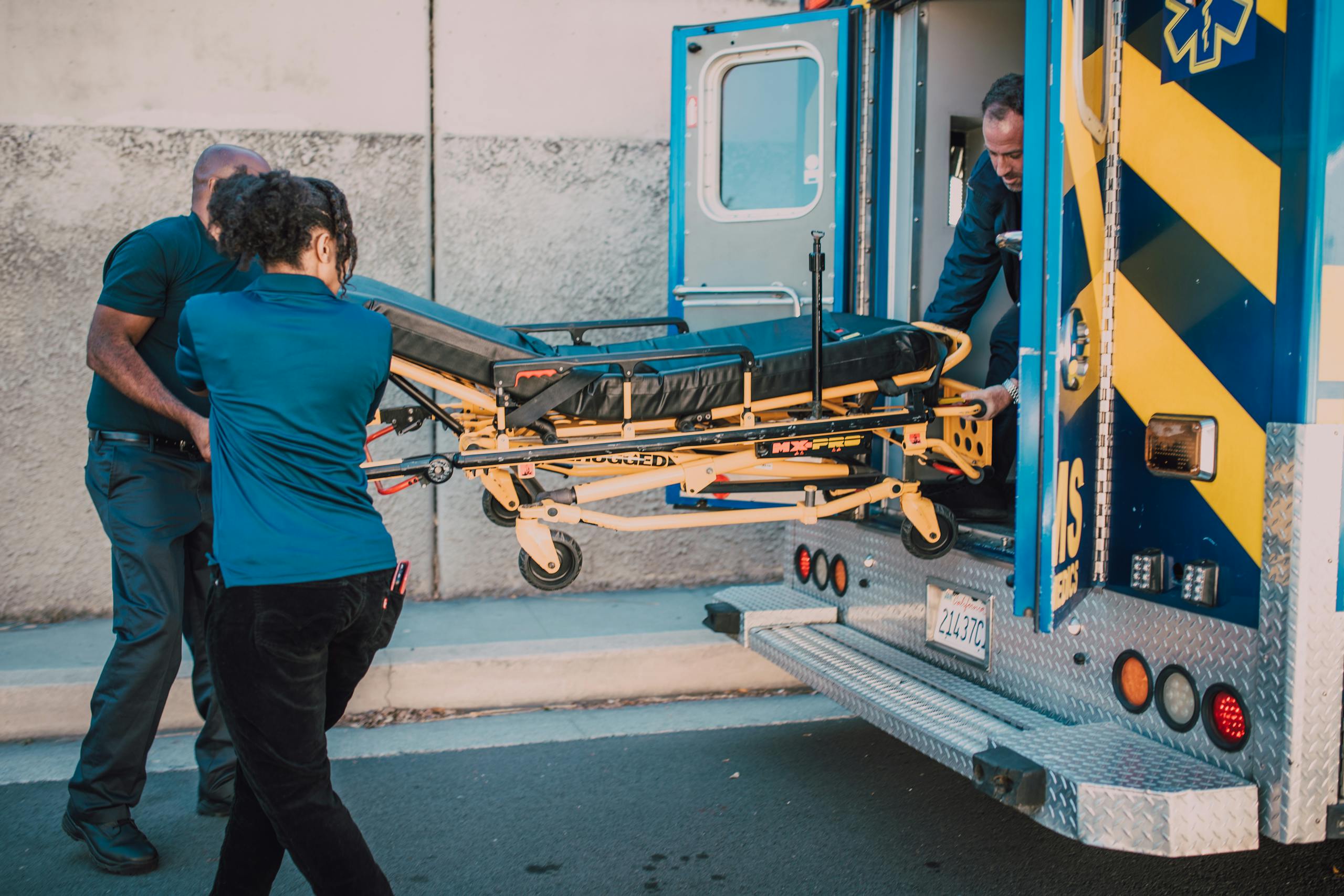
- Specialized Vehicles: Ensure vehicles are ADA-compliant and equipped with wheelchair lifts, reclining stretchers, and essential medical equipment such as oxygen or monitoring devices.
- Trained Medical Personnel: Caregivers, including paramedics or nurses, should be available onboard to monitor the patient’s condition and provide necessary support during the trip.
- Flexible Scheduling: Veterans should have access to transport options that align with their medical appointments and offer flexibility for long-distance travel.
Yuma Medical Transport Partnership Services specialize in providing long-distance transport tailored to meet a wide range of patient needs, including veterans, across Arizona and beyond.
3. Planning a Long-Distance Medical Transport Journey
A safe and stress-free journey relies on detailed planning. Here’s how families and caregivers can simplify the process for veterans:
3.1 Coordinate with the Medical Team
Communicate directly with the veteran’s healthcare provider to obtain all necessary documentation, including medical records, prescriptions, and any special instructions for the journey.
3.2 Factor in Comfort and Accessibility
Ensure the transport provider optimizes comfort for the veteran by providing blankets, snacks, access to restrooms during long drives, and climate-controlled vehicles—essential in Arizona’s extreme heat.
3.3 Plan the Route Strategically
Traveling long distances in Arizona often means navigating stretches of desert or mountain terrain:
- Work with the transport provider to plan frequent rest stops during long trips.
- Ensure routes avoid peak urban traffic in areas like Phoenix or Tucson to minimize delays and discomfort.
4. Exploring Financial Support and Payment Options
The cost of medical transport can vary widely, especially for long-distance trips. While some transport may be covered by VA benefits or insurance, many families choose private pay options for added flexibility and premium care.
Understanding Payment Options for Veterans:
- VA and Medicaid Benefits: VA resources may cover part of the medical transport, particularly for trips to VA facilities. Confirm eligibility with the VA.
- Private Pay Options: These allow families to customize services, including additional medical staff, personalized routes, or premium scheduling.
Pro Tip: Yuma Medical Transport offers transparent pricing structures for private-pay transport, ensuring families know exactly what to expect.
5. Arizona-Specific Considerations for Veteran Medical Transport
Arizona presents unique challenges for medical transport due to its diverse geography and climate. Here’s how to address these factors:
- Extreme Heat Management: Ensure vehicles are equipped with robust climate control systems to keep veterans comfortable during transport, especially in the summer months when temperatures often exceed 100°F.
- Rural Accessibility: Veterans in remote towns or reservations may need transport providers experienced in navigating long highways and isolated areas to reach specific care facilities.
- Urban Traffic: Navigating busy city centers like Phoenix requires attention to traffic patterns and scheduling transports during off-peak hours.
FAQs About Medical Transport for Veterans in AZ
Q1: Can family members or caregivers travel with the veteran during transport?
Yes! Many providers allow family members or caregivers to accompany veterans, offering extra emotional support during the journey. Check seating options with the transport provider beforehand.
Q2: Are transport providers familiar with VA facilities in Arizona?
Yes, reputable medical transport companies often coordinate directly with VA hospitals and clinics to ensure seamless trips. Locations like the Phoenix VA Health Care System or the Southern Arizona VA Health Care System are frequent transport destinations.
Q3: How far in advance should I book long-distance transport?
It’s best to schedule transport at least one to two weeks in advance whenever possible. However, urgent requests can often be accommodated by professional providers.
Q4: What happens if an emergency arises during transport?
Trained medical personnel onboard can address emergencies immediately and communicate with nearby healthcare facilities for swift intervention if required.
Q5: Are all costs covered for veteran medical transport?
Coverage depends on individual VA benefits or insurance policies. For non-covered services, private pay options are available for customized, high-quality transport.
Conclusion
Arizona’s veterans deserve accessible, reliable medical transport that caters to their unique needs. Medical transport for veterans AZ offers a solution to long-distance challenges, bridging the gap between rural communities, urban medical centers, and specialized care facilities. By partnering with professional, veteran-focused providers, families can ensure safe, comfortable journeys for their loved ones.
With years of expertise in long-distance transport, trusted providers like Yuma Medical Transport are dedicated to supporting the needs of veterans. Offering flexible private pay options and top-tier medical transport services, we simplify the process so veterans can focus on what matters most: their health and well-being.