Unlock Seamless Transitions: Your Essential Guide to Private Pay Interfacility Transfers in AZ
Medical transitions between facilities can often be a stressful and logistical challenge. Whether transferring a loved one from a hospital to a rehabilitation center, between nursing homes, or to a specialized care facility, finding safe and reliable transportation is crucial. That’s where private pay interfacility transfers in AZ come into play—offering the flexibility, professionalism, and convenience you deserve.
Unlike insurance-based or government-supported transport options, private-pay solutions put you in control of the process. With customizable options and a focus on patient comfort, interfacility transfers in Arizona are made simpler, smoother, and free of unnecessary hurdles. This guide will help you navigate the process, understand best practices, and choose the right transport provider for your needs.
Introduction
Private pay interfacility transfers in Arizona provide non-emergency medical transportation for patients who need to move between healthcare facilities. These services are ideal for individuals who require extra attention or specialized care during their journey—whether it’s transferring to a long-term care facility, acute rehabilitation center, or another hospital.
Forget the delays of insurance approvals or the limitations of public transport systems. Private-pay transfers give you the flexibility to design a seamless experience while prioritizing patient safety and comfort. In this guide, we’ll outline everything families and individuals need to know about Arizona’s private pay interfacility transfers, ensuring every mile of the journey is peaceful and worry-free.
What Are Private Pay Interfacility Transfers?
A private pay interfacility transfer is a non-emergency medical transportation service designed to move patients safely and comfortably between medical facilities. Unlike emergency ambulance rides, these transfers provide a patient-focused experience for situations where immediate care isn’t required but professional support is necessary.
Here’s when private pay interfacility transfers in AZ are most commonly used:
- Hospital Discharges: Moving patients to skilled nursing facilities or rehabilitation centers for continued care.
- Nursing Home Transfers: Relocating elderly patients to other long-term care or assisted living facilities.
- Specialized Facility Relocation: Transferring patients to specialized treatment centers in Arizona or beyond.
- Post-Operative Transfers: Ensuring patients recovering from surgeries reach their next care destination comfortably.
Providers like Yuma Medical Transport specialize in making interfacility transfers seamless, offering high-quality vehicles, compassionate staff, and a commitment to professionalism.
Benefits of Choosing Private Pay Interfacility Transfers in AZ
Why choose private pay over other options? Here’s how these services ensure a superior experience:
- Professional Support
Drivers and attendants assisting with interfacility transfers undergo specialized training to handle patients with mobility challenges or unique medical needs, ensuring safety during every step of the journey. - Customizable Comfort
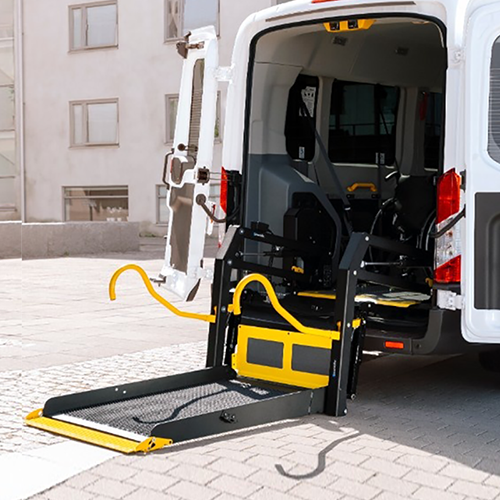
Vehicles used for private pay transfers are designed with the patient in mind—offering amenities like wheelchair lifts, secure tie-downs, and adjustable stretchers for maximum comfort. - Flexibility
With private pay options, you schedule transfers when you need them, without waiting on insurance or limited transport availability. - Seamless Long-Distance Options
Whether your loved one is relocating across Arizona or heading out-of-state for advanced care, providers like Yuma Medical Transport specialize in well-planned, stress-free journeys, including rest stops when needed. - Transparent Pricing
One of the critical benefits of private pay interfacility transfers is clear, upfront pricing that allows you to plan appropriately and avoid hidden fees. - Dignified Transfers
Patients are treated with the utmost respect and care, ensuring the transfer process maintains their dignity and peace of mind.
Best Practices for Private Pay Interfacility Transfers in AZ
As you plan a private pay interfacility transfer, paying attention to key details and best practices can make all the difference. Here’s your blueprint for success:
1. Identify Specific Needs
Begin by determining the patient’s specific requirements. Do they need a wheelchair-accessible vehicle? Will an attendant or medical escort be required? Communicate these details clearly with the provider.
2. Verify Provider Expertise
Work with experienced transport services like Yuma Medical Transport. Look for providers with a proven track record, professional drivers, and appropriate certifications.
3. Confirm Vehicle Capabilities
Ensure the transportation company uses vehicles equipped for interfacility transfers: wheelchair lifts, stretchers, and tie-downs should all meet ADA standards.
4. Plan Long-Distance Transfers Carefully
If the transfer involves traveling beyond the city or out-of-state, work with providers like Yuma Medical Transport. Request a detailed plan that includes breaks for rest, meals, or medical needs during the trip.
5. Request Pricing Transparency
Before booking, insist on an itemized quote that includes base fees, mileage costs, waiting charges, and any extras such as extra attendants or medical equipment. Clear pricing ensures confidence every step of the way.
6. Schedule in Advance
While private providers aim to accommodate last-minute requests, scheduling ahead (24–48 hours) ensures you secure the right vehicle and team for the job.
Cost Considerations for Arizona Private Pay Interfacility Transfers
Pricing for private pay interfacility transfers depends on trip distance, required equipment, and the level of care provided. Here’s a breakdown of typical costs:
- Base Rates: $100–$300 depending on the patient’s mobility needs (wheelchair or stretcher).
- Mileage Costs: $3–$10 per mile; flat-rate pricing may apply to long-distance transfers.
- Waiting Fees: $15–$30 per 30 minutes if waiting time is required at either facility.
- Special Equipment: $50–$100 for oxygen tanks, bariatric setup, or extra medical equipment.
Transparent pricing ensures private pay interfacility transfers stay efficient and stress-free, with no surprise fees.
FAQs: Private Pay Interfacility Transfers AZ
1. Are private pay interfacility transfers only for local transportation?
Not at all! Many Arizona providers, such as Yuma Medical Transport, specialize in coordinating long-haul journeys between cities or states, ensuring patient comfort over extended distances.
2. Who can benefit from private pay interfacility transfers in AZ?
These services are ideal for elderly patients, individuals recovering from surgery, or anyone requiring non-emergency transport between hospitals, nursing homes, rehab centers, or specialized facilities.
3. Are vehicles equipped with advanced medical accommodations?
Yes! Most transport providers use ADA-compliant vans equipped with features like wheelchair ramps, adjustable stretchers, climate control, and secure fixtures to ensure a safe ride.
4. How far in advance should I schedule an interfacility transfer?
Though some providers handle same-day requests, it’s best to schedule non-emergency transport 24–48 hours in advance for proper planning and accommodation.
5. What is included in private pay options?
Private pay services include transportation, assistance with mobility or equipment, and optional add-ons like medical escorts, oxygen support, or long-distance coordination.
Conclusion
Private pay interfacility transfers in AZ provide a safe, professional, and personalized solution for individuals needing non-emergency medical transport between healthcare facilities. Whether it’s a short trip across town or a cross-state relocation, these services combine comfort, dignity, and convenience to meet every patient’s unique needs.
By partnering with trusted providers like Yuma Medical Transport, you can ensure a smooth, transparent process with options tailored to your specific situation. Remember to plan ahead, communicate patient needs clearly, and confirm pricing details to make the experience as stress-free as possible.