Navigating Arizona’s Long-Distance Patient Transfers: Essential Tips for Seamless Healthcare Journeys
Arizona is a beautiful state, but its sprawling landscape can pose unique challenges when it comes to medical transportation. From bustling metropolitan areas like Phoenix and Tucson to rural communities and desert towns, the need for Arizona long-distance patient transfers has grown significantly. These services are essential for patients who require safe, reliable, and comfortable transportation between cities for treatments, specialist appointments, or transfers to healthcare facilities.
In this comprehensive guide, we will explore best practices and key considerations for arranging long-distance patient transfers in Arizona. Whether you’re a family member planning transportation for a loved one or a patient coordinating your next trip, we’ve got you covered.
Introduction: Why Long-Distance Patient Transfers Are Essential
When dealing with medical needs, access to specialized care often means traveling long distances to reach the right physicians or facilities. For many patients, this involves journeys that stretch for hours—whether it’s moving from Yuma to Phoenix, Flagstaff to Tucson, or anywhere in between.
Unlike typical rideshare or public transportation services, Arizona long-distance patient transfers accommodate medical requirements, mobility challenges, and personal comfort during transit. These services are designed to handle everything from wheelchair accessibility to medically supervised transport, offering patients and families the peace of mind they deserve.
Providers like Yuma Medical Transport bring professionalism, compassion, and efficiency to patient transfers across Arizona’s vast geography.
Key Points: Best Practices for Arizona Long-Distance Patient Transfers
1. Assess the Individual’s Needs Before Booking
Understanding the specific requirements of the patient is the first step to arranging long-distance medical transfers.
- Level of Care Required: Does the patient need basic non-emergency transport, wheelchair accessibility, or specialized monitoring during the trip?
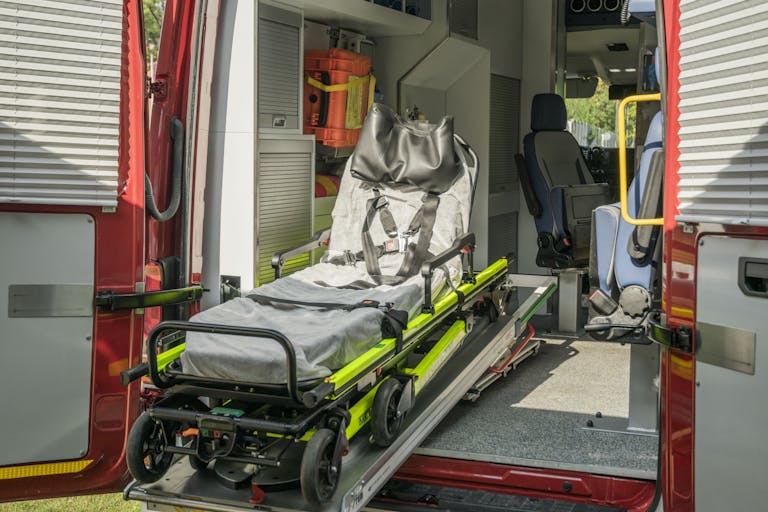
- Mobility Needs: Determine whether the patient uses a wheelchair, stretcher, or requires equipment like an oxygen tank.
- Comfort and Scheduling: Ensure the service accommodates rest stops, hydration breaks, and aligns with medical appointments.
Knowing these details ensures the transfer is tailored to the patient’s health and comfort.
2. Choose a Trusted Long-Distance Transport Provider
When it comes to long-distance medical transfers, experience and professionalism can make all the difference. Yuma Medical Transport specializes in patient-first transportation services.
- Compassionate Care: Drivers and staff trained in handling medical cases ensure the patient feels cared for every step of the way.
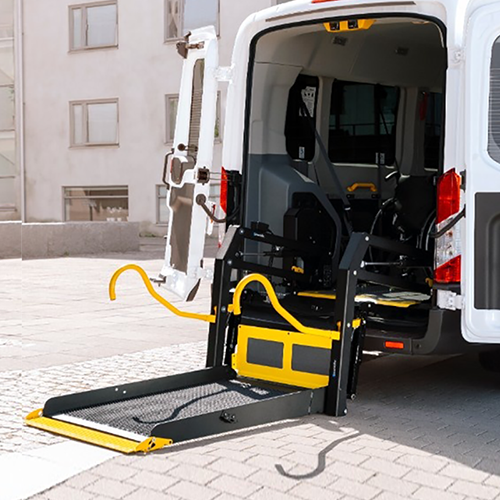
- Specialized Vehicles: Choose a provider with ADA-compliant vehicles equipped to handle wheelchairs, stretchers, and medical equipment.
- Reliability: Trusted providers adhere to exact schedules, ensuring you or your loved ones arrive on time for medical appointments or facility transfers.
3. Plan for Arizona’s Unique Geographical Challenges
Arizona’s diverse landscape means that long-distance patient transfers can involve everything from bustling urban roads to expansive desert highways.
- Route Optimization: Work with a provider who uses advanced mapping and logistics tools to identify the quickest, most efficient routes.
- Weather Preparedness: From summer heat to monsoon storms, Arizona’s weather can be unpredictable, so make sure your transport service takes weather conditions into account.
- Safety First: Reputable providers are prepared for the challenges of long-haul drives, offering vehicles with smooth suspension and climate control to ensure comfort for patients with health sensitivities.
4. Understand Payment Options
Cost should never prevent patients from accessing the care they need. Many long-distance transport providers in Arizona offer flexible payment solutions.
- Private Pay Options: For patients who need quick scheduling or customizable services, private pay is a seamless choice without insurance delays.
- Insurance Coverage: Medicaid, Medicare, or private insurance may cover non-emergency transportation for eligible patients, depending on the medical necessity and provider approval.
- Transparent Pricing: Ensure you get an upfront quote with no hidden fees—reliable providers make costs clear from the start.
5. Ensure Patient Safety and Comfort
The number one priority of any long-distance patient transfer is ensuring safety and comfort throughout the journey.
- Trained Personnel: Drivers and support staff should be certified in first aid, CPR, and patient handling to accommodate any medical needs during the trip.
- Secure Equipment: Properly secured wheelchairs and stretchers, as well as well-maintained vehicles, reduce stress and ensure smooth travel.
- Patient-Friendly Environment: Comfort elements like reclining seats, adjustable climate control, and low-noise interiors create a calming travel atmosphere.
6. Communicate and Confirm Travel Details
Clear communication with the transport provider ensures everything runs smoothly on the day of transfer.
- Detailed Itinerary: Provide pick-up and drop-off addresses, facility protocols, and any special instructions in advance.
- Pack the Essentials: Medications, snacks, water, and identification should all be accounted for before the journey.
- Emergency Contact Information: Share contact details for family members or medical personnel who may need updates during the trip.
FAQs
Q1: Who can benefit from Arizona long-distance patient transfers?
These services are ideal for patients requiring safe, non-emergency travel across the state for surgeries, specialized treatment, rehabilitation, routine appointments, or facility-to-facility transfers.
Q2: What is the benefit of using Yuma Medical Transport for long-distance transportation?
Yuma Medical Transport offers patient-driven care, ensuring safe, comfortable transfers with fully equipped vehicles and compassionate staff. Their expertise in Arizona long-distance patient transfers makes them a trusted choice for Arizona families.
Q3: Can Medicaid or private insurance cover long-distance patient transfers?
Depending on the circumstance, Medicaid, Medicare, or private insurance may cover non-emergency transport if deemed medically necessary. For patients without coverage, Private Pay Options provide a direct and flexible payment alternative.
Q4: How far in advance should I plan a long-distance patient transfer?
While services like Yuma Medical Transport often offer flexible same-day solutions, it’s always best to schedule as far in advance as possible. This ensures all logistics are prepared and reduces the risk of delays.
Conclusion: Trust the Experts for a Smooth Transfer
When it comes to coordinating Arizona long-distance patient transfers, preparation and professionalism are the keys to a stress-free experience. Whether you’re arranging transportation for an elderly family member or recovering from surgery yourself, partnering with reliable providers like Yuma Medical Transport ensures the highest quality care throughout the journey.
From long-distance transport to efficient private pay options, finding the right services transforms what could be a challenging trip into a safe and comfortable journey. Your health and peace of mind deserve nothing less.