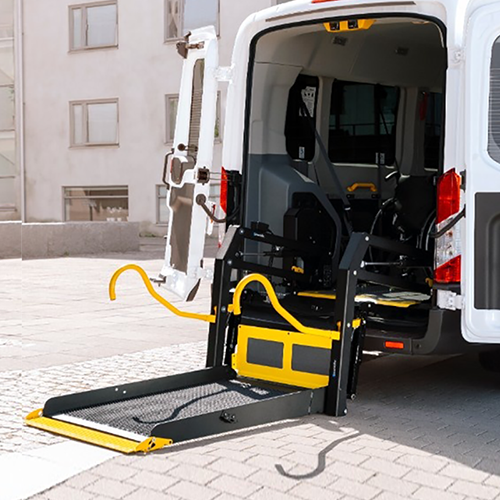
Unlock Savings: Navigating Yuma Phoenix Medical Transport Costs for Stress-Free Journeys
For individuals and families needing safe, reliable transportation for medical appointments or facility transfers, the 180-mile journey between Yuma and Phoenix can seem daunting. One of the most pressing concerns is understanding the Yuma Phoenix medical transport costs and planning a budget accordingly. Whether you’re arranging transport for a loved one or exploring your own options, having the right information in hand can make the process smoother and more manageable.
In this guide, we will break down best practices and considerations for Yuma Phoenix medical transport costs, helping you navigate the financial aspects while ensuring safe and comfortable travel.
Introduction: Understanding Medical Transport Between Yuma and Phoenix
Arizona’s vast highways and expansive geography often require patients to travel long distances for specialized healthcare, with Phoenix being a key hub for expert medical services. From routine appointments to facility transfers, non-emergency medical transport is a critical service for many individuals in Yuma.
But with transport covering nearly 180 miles of road, costs can vary depending on the type of service, the level of care required, and the features offered. That’s where Yuma Medical Transport comes into play, providing Long-Distance Transport and flexible Private Pay Options. Understanding these elements helps you make an informed choice without compromising on safety or comfort for the patient.
Key Points: Best Practices for Managing Yuma Phoenix Medical Transport Costs
1. Understand What Impacts the Cost
Several factors influence the overall cost of medical transport between Yuma and Phoenix:
- Level of Service Needed: Costs differ based on whether basic non-emergency transport, wheelchair accessibility, or stretcher services are required. The higher the level of care, the higher the cost.
- Medical Equipment and Staff: If the patient needs oxygen, IVs, or a medical professional like a nurse during transport, costs will rise to accommodate these needs.
- Trip Distance and Duration: Although the mileage is fixed (around 180 miles), travel time, potential rest stops, and specific routes can affect pricing.
- Vehicle Type: ADA-compliant vehicles with wheelchair lifts or stretchers may come at a higher cost, but they are essential for safety and accessibility.
By knowing what factors influence pricing, families can better assess which services fit both their needs and their budgets.
2. Choose the Right Transport Provider
The transport company you choose will significantly impact both costs and the experience. Providers like Yuma Medical Transport balance affordability with high-quality services.
- Transparent Pricing: The right provider offers upfront quotes so you know exactly what to expect, with no hidden fees.
- Custom Options: Professional companies provide flexibility, with packages tailored to patient needs, whether it’s basic transport or advanced medical support.
- Dependability: Reliable providers ensure on-time pickup and drop-off for appointments, avoiding added stress or delays.
When comparing costs, don’t just look at the bottom line—consider the value and features a provider offers to ensure a positive, stress-free experience.
3. Explore Payment Options
Medical transport costs can feel overwhelming, but there are flexible solutions available to meet every budget.
- Private Pay Options: These provide families with flexibility and direct payment avenues, which are often faster and more straightforward than insurance approval processes.
- Insurance Assistance: Medicaid (or AHCCCS in Arizona) and private insurance plans may cover some or all costs for non-emergency medical transport, provided the trip is medically necessary.
- Payment Transparency: Ask the provider for a detailed breakdown of costs, including potential extras like equipment fees or rest stop charges.
Discussing payment options upfront ensures you manage both your finances and the patient’s needs effectively.
4. Balance Safety, Comfort, and Costs
While cutting costs is always a concern, it’s equally important to prioritize the safety and comfort of the patient during long-distance travel.
- Advanced Fleet Features: ADA-compliant vehicles with proper wheelchair anchoring, reclining seats, and climate control are worth the investment.
- Trained Staff: Certified drivers and medical personnel ensure the patient remains safe during the trip, especially if any complications arise.
- Rest and Refreshment Stops: For seniors or those with mobility concerns, choosing a service that accommodates planned breaks can make a significant difference in comfort levels, even if it adds slightly to the cost.
Remember: Budget-conscious planning is great, but sacrificing necessary safety features or patient convenience can lead to more stress and potential risks.
5. Book Early for Better Rates and Availability
Many non-emergency transportation companies operate on a first-come, first-served basis, and last-minute bookings may come with additional charges.
- Plan Ahead: Booking well in advance ensures availability, provides time for cost comparisons, and avoids rush fees.
- Flexible Dates: If possible, consider scheduling transport on less busy days when some providers may offer discounts.
- Ask About Discounts: Many services provide discounted rates for round-trips, same-day returns, or recurring appointments.
FAQs
Q1: What is the average cost range for Yuma Phoenix medical transport?
The cost typically ranges between $800 – $1,500 depending on the level of care, vehicle requirements, and additional services needed during the trip. Always request a quote to get an accurate estimate for your specific situation.
Q2: Are medical transport costs from Yuma to Phoenix covered by Medicaid?
Yes, Medicaid (AHCCCS in Arizona) may cover non-emergency medical transportation if the trip is deemed medically necessary. Families should verify coverage and eligibility with Medicaid or their chosen provider.
Q3: Why should I choose Yuma Medical Transport for transport?
Yuma Medical Transport offers transparent pricing, modern ADA-compliant vehicles, and patient-focused care. Additionally, our Private Pay Options streamline the booking process, making it easier for families to coordinate long-distance trips. Contact us today at (928) 920-4935 to learn more about our services.
Q4: Are there ways to lower the cost of medical transport?
Absolutely. Booking in advance, choosing shared transport options where available, or opting for a less rigid schedule (e.g., avoiding peak times) can reduce costs. Speak with your provider about potential discounts or promotions.
Conclusion: Making Medical Travel Affordable and Safe
Navigating Yuma Phoenix medical transport costs requires a balance between affordability and quality care. With the right preparation and a reliable provider, families can feel confident knowing their loved ones are traveling safely and comfortably. By assessing needs, exploring payment options, and booking with trusted companies like Yuma Medical Transport, the process becomes much less stressful.
Whether your focus is on non-emergency medical needs, wheelchair accessibility, or advanced stretcher transport, prioritizing safety, professionalism, and transparency ensures peace of mind with every mile.