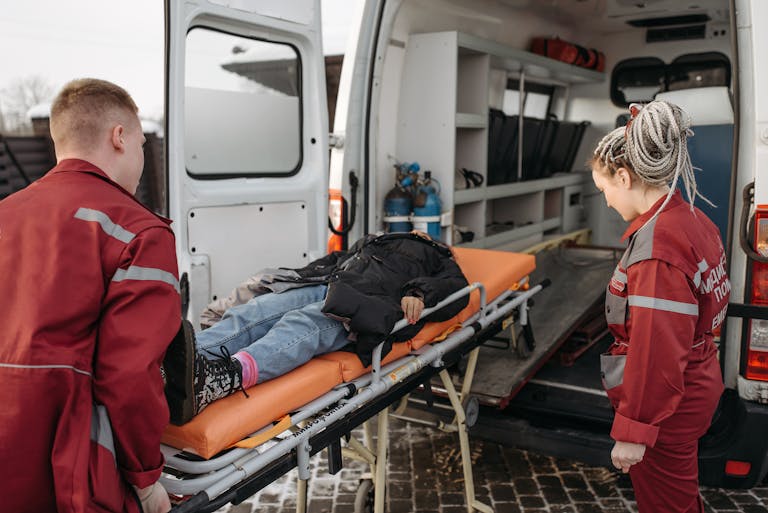
Unlock Seamless Healthcare Transitions: Mastering Non-Emergency Interfacility Transfers in Arizona
When it comes to healthcare logistics, one often-overlooked yet critical aspect is non-emergency interfacility transfers. Whether it’s moving patients between specialized facilities, transporting hospice patients for after-care, or providing access to routine medical appointments, non-emergency interfacility transfers play a pivotal role in supporting seamless continuity of care.
In a geographically expansive state like Arizona, where both urban medical hubs and remote rural areas must be accommodated, the stakes for efficient non-emergency transport are significantly higher. This comprehensive guide will take you through everything you need to know about non-emergency interfacility transfers in AZ, including best practices and essential considerations for hospital and hospice administrators.
Introduction: Why Non-Emergency Interfacility Transfers Matter
Imagine this: a patient is stable but requires transportation from a community hospital to a larger medical center for specialized care. Or perhaps a hospice resident needs to transfer to a new facility closer to their family. These scenarios illustrate the vital importance of non-emergency interfacility transfers in Arizona’s healthcare ecosystem.
Unlike emergency or 911 calls, non-emergency transport focuses on efficiency, comfort, and reliability. However, getting these transfers right requires seamless logistics, specialized vehicles, and trained professionals who can address medical, geographical, and operational challenges. For administrators managing healthcare services, understanding the nuances of non-emergency interfacility transfers in AZ can lead to improved patient outcomes, streamlined workflows, and significant cost savings.
So, what does it take to excel in Arizona’s non-emergency interfacility transport landscape? Let’s dive in.
Best Practices for Non-Emergency Interfacility Transfers in AZ
1. Prioritize Patient Comfort and Wellbeing
Non-emergency transfers aren’t about rushing from point A to point B—they’re about moving patients safely and comfortably. Arizona’s wide-ranging geography means patients often face longer travel durations, especially when transferring for specialized care in cities like Phoenix or Tucson.
Best Practices:
- Climate-Controlled Vehicles: Ensure vehicles are equipped with climate-controlled interiors to maintain patient comfort during Arizona’s hot summers or cooler winters.
- Accessible Transport Options: Provide wheelchair- or stretcher-accessible options for patients with mobility challenges.
- Qualified Transport Personnel: Assign transfers to qualified transport personnel trained to deliver compassionate, patient-centered care.
Why It Matters: Ensuring patient comfort lowers stress for both patients and their families, enhancing the overall healthcare experience.
2. Streamline Communication Between Facilities
Clear and reliable communication between the transferring and receiving facilities is paramount. Gaps in communication can lead to delays, misaligned expectations, and even compromises in patient care.
Pro Strategies:
- Centralized Coordination: Utilize centralized transfer coordination centers that handle all interfacility transfers through a single point of contact.
- Digital Information Sharing: Share medical records, transfer preferences, and timelines digitally in advance of the transfer.
- Real-Time Updates: Provide real-time status updates to receiving teams to facilitate smooth intake upon arrival.
Suggestion: Yuma Medical Transport offers advanced transfer coordination solutions to help hospitals and hospice facilities streamline their communication workflows.
3. Optimize Scheduling with Technology
Timeliness is critical in non-emergency transfers, especially when the receiving facility is preparing for procedures, consultations, or routine care. Technology can take the guesswork out of scheduling.
Implementation Tips:
- Transport Scheduling Software: Adopt transport scheduling software to reduce instances of overlapping bookings or delays.
- Real-Time GPS Tracking: Enable real-time GPS tracking for vehicles to keep all stakeholders informed of transfer timelines.
- Automated Routing Systems: Use automated routing systems to calculate the fastest routes, taking traffic and weather into account.
Pro Tip: In Arizona, plan routes that avoid extreme weather conditions (e.g., monsoon season or heatwaves) to minimize potential disruptions.
4. Specialized Long-Distance Transport for Arizona’s Rural Areas
Arizona’s healthcare infrastructure spans from highly urbanized cities to remote communities that often lack specialized facilities. For patients in these rural areas, long-distance transport services are a lifeline.
Keys to Success:
- Equipped Vehicles: Deploy vehicles equipped for longer routes, ensuring they have the necessary medical supplies and provisions for the journey.
- Specialized Partnerships: Partner with transport services that specialize in rural-to-urban patient transitions, such as Yuma Medical Transport’s long-distance transport solutions.
- Satellite Hubs: Build satellite hubs in smaller towns to reduce wait times and improve logistical efficiency.
Why Long-Distance Matters: Bridging Arizona’s rural-urban healthcare gap enables equity in medical access and mitigates geographic barriers.
5. Flexible Payment Structures
Not all interfacility transfers fall under Medicare or Medicaid coverage. Flexible, private pay options allow hospitals and hospices to meet the needs of patients and families without being constrained by coverage limitations.
What to Offer:
- Transparent Fees: Offer transparent fee structures for patients opting for private pay plans.
- Sliding Scale Pricing: Implement sliding scale pricing for low-income families who may struggle with out-of-pocket expenses.
- Flexible Payment Timelines: Provide flexible payment timelines to accommodate families facing financial stress.
Administrator Note: Offering private pay options can also introduce new revenue streams and boost service customer satisfaction.
6. Emergency-Readiness Meets Non-Emergency Needs
Non-emergency doesn’t mean no urgency. Unexpected circumstances, such as breakdowns or patient health fluctuations, can turn routine transfers into emergency scenarios. Arizona’s climate further complicates matters, with potential heat-related risks.
Emergency Prep Checklist:
- Emergency Supplies: Equip every non-emergency vehicle with basic emergency medical supplies, such as oxygen tanks and first aid kits.
- Staff Training: Ensure drivers and staff are trained in CPR and emergency patient care.
- Backup Fleets: Maintain backup fleets to minimize service disruptions in case of vehicle downtime.
Takeaway: Emergency preparedness is essential for maintaining the trust and safety of patients during non-emergency transfers.
FAQs: Common Questions About Non-Emergency Interfacility Transfers in AZ
Q1: What types of patients typically use non-emergency interfacility transfers?
Non-emergency interfacility transfers transport patients who are stable yet require specialized care, such as rehabilitation therapy, diagnostic scans, surgical evaluations, or hospice care transitions.
Q2: Are non-emergency interfacility transfers covered by Medicaid in Arizona?
Yes, in many cases, Medicaid will cover non-emergency medical transportation under the AHCCCS (Arizona Health Care Cost Containment System). However, coverage often depends on approved medical necessity and geographic mileage.
Q3: What are the benefits of partnering with Yuma Medical Transport for interfacility transfers?
Yuma Medical Transport offers advanced logistics solutions, including centralized scheduling, long-distance transport for rural patients, and easy integration of private pay options to help facilities reduce operational strain while ensuring patient satisfaction.
Q4: How do long-distance transfers work in rural Arizona?
Long-distance transport services include specialized routes that connect rural areas to Arizona’s urban medical hubs. They are equipped for patient comfort and safety during extended hours and ensure continuity of care throughout the journey.
Q5: How can technology improve communication during transfers?
Centralized software solutions allow transferring and receiving facilities to share medical files, transfer details, and schedules in real time, improving collaboration between healthcare providers and minimizing delays or missteps.
Conclusion: The Road to Success in Non-Emergency Interfacility Transfers
Managing non-emergency interfacility transfers in AZ isn’t just about moving patients; it’s about ensuring safety, comfort, and efficiency every step of the way. By adopting best practices such as leveraging advanced scheduling technology, emphasizing patient-centric care, and providing flexible payment structures, hospital and hospice administrators can create a reliable, streamlined, and compassionate transport ecosystem.
Arizona’s healthcare landscape may be vast, but with the right strategies and partnerships—like those offered through Yuma Medical Transport’s advanced transfer coordination services and long-distance transport systems—you can guarantee smooth operations and excellent patient outcomes.
For more information or to schedule your next transfer, contact Yuma Medical Transport at (928) 920-4935.