Unlock Stress-Free Healthcare Travel: Your Guide to Tacna’s Non-Emergency Transport Services
Not every trip to the doctor or medical facility requires flashing lights and sirens. For the residents of Tacna, AZ, reliable non-emergency transport services are essential for attending routine appointments, physical therapy sessions, pharmacy runs, and much more. Tacna non-emergency transport bridges the gap between the need for mobility and the importance of timely healthcare access. Whether you’re a patient needing assistance or a healthcare provider looking to improve access to services for your patients, this guide is for you.
Let’s dive into the world of Tacna non-emergency transport—what it is, why it matters, and how you can make the most of these critical options.
1. What Is Tacna Non-Emergency Transport?
Simply put, Tacna non-emergency transport caters to individuals who need help traveling to and from healthcare facilities without requiring immediate or emergency medical attention. These services prioritize comfort, punctuality, and accessibility, ensuring patients manage their healthcare needs seamlessly.
Key features of Tacna non-emergency transport include:
- Scheduled Rides to Routine Appointments: Ideal for non-urgent medical needs, such as follow-ups, checkups, and recurring therapy sessions.
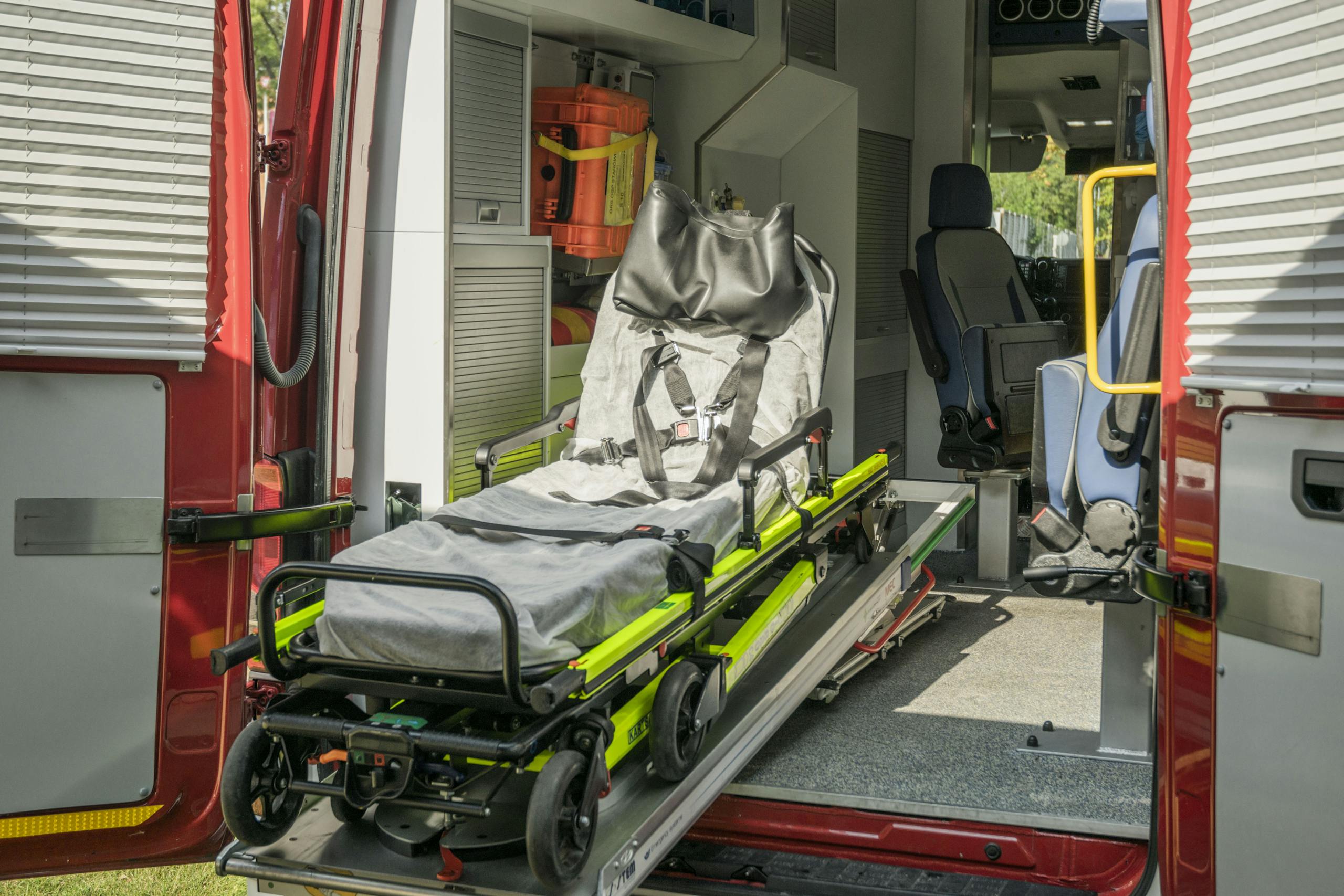
- Vehicle Accessibility: Services include wheelchair-friendly vehicles and accommodations for stretchers or other medical equipment.
- Expert and Compassionate Drivers: Trained drivers ensure patients are comfortable and safe throughout their journey.
Providers like Yuma Medical Transport are known for their reliability and tailored services, ensuring patients feel supported every step of the way.
2. Why Tacna Non-Emergency Transport Is Vital to the Community
As a close-knit community, Tacna residents may need to travel beyond city lines to access specialized healthcare services in nearby cities like Yuma or Phoenix. Non-emergency transport plays a crucial role by offering:
- Accessibility for All Residents: Seniors, individuals with disabilities, and patients without vehicles can rely on professional services to reach their appointments.
- Consistency for Chronic Care: Non-emergency transport is especially helpful for patients undergoing regular treatments like dialysis, chemotherapy, or physical therapy.
- Stress-Free Travel: No need to worry about long drives, finding a ride, or navigating traffic—transport services ensure a comfortable journey to healthcare appointments.
These services empower patients to stay on top of their health while easing the logistical burden on their families.
3. Best Practices and Considerations for Tacna Non-Emergency Transport
When it comes to using non-emergency transport, a little preparation goes a long way. Whether you’re booking your first ride or assisting a loved one, here are some tips to maximize the experience:
a. Schedule in Advance
Early planning ensures you get the date, time, and type of vehicle you need. Providers recommend booking your ride at least 48–72 hours in advance to avoid last-minute challenges.
b. Communicate Your Needs
When booking, be specific about your requirements. For example:
- Do you need a wheelchair-accessible van?
- Is assistance with mobility devices required?
- Will an escort or caregiver accompany you?
This ensures that Yuma Medical Transport can accommodate every detail ahead of time.
c. Explore Insurance Coverage Options
Tacna non-emergency transport is often covered by Medicaid, Medicare, or certain private insurance policies. Confirm with your provider to see if these rides are included as part of your healthcare benefits. Knowing this can save you money in the long run!
d. Prepare for the Ride
Ensure you have:
- All medical documentation.
- Essential items like medication, water, or personal comfort items (especially for longer trips).
- Accurate appointment and destination details ready for your driver.
Being prepared with these essentials ensures a seamless and worry-free journey!
e. Think Regionally
If your appointment is in Yuma, Phoenix, or another nearby city, confirm that your chosen service offers regional coverage. Yuma Medical Transport provides extensive coverage to meet your transportation needs across the region.
4. How Healthcare Providers Can Support Tacna Non-Emergency Transport
Healthcare providers in Tacna have a unique opportunity to improve patient access to care through partnerships and education. Here’s how they can contribute:
- Collaborate With Trusted Providers: Team up with local transport providers like Yuma Medical Transport to create a direct line of communication for patients. Providers often offer partnerships that let patients schedule rides directly from the clinic or healthcare office.
- Educate Patients About Resources: Your patients might not know these transport options exist! Provide educational materials, flyers, or online guides to help them take full advantage of services tailored to their needs.
- Include Transport Solutions in Long-Term Care Plans: Patients undergoing regular treatments or recovering from surgeries may be hesitant to book transport. Adding non-emergency transport as a form of care coordination helps ensure they make it to every session.
- Insurance Advocacy: Help patients understand their transportation benefits under Medicaid and Medicare. Offer guidance in navigating financial coverage to remove any hesitations they have about using these services.
FAQs
Q1: Who can benefit from Tacna non-emergency transport?
A: Anyone! Whether you’re a senior without a vehicle, recovering from an injury, attending regular therapy sessions, or simply want to avoid the hassle of long transportation, these services are designed for you.
Q2: Are Tacna non-emergency transport services wheelchair friendly?
A: Absolutely. Providers like Yuma Medical Transport have vehicles outfitted with ramps, secure wheelchair areas, and additional space for mobility equipment.
Q3: Do transport providers go beyond Tacna?
A: Yes. Regional routes to cities like Yuma and Phoenix are common, allowing access to even the most specialized care outside Tacna’s borders. Just confirm the service area when scheduling your trip.
Q4: Is non-emergency transport covered by insurance?
A: Many services are covered under Medicaid, Medicare, or private insurance plans. Check with your provider to confirm eligibility and make the most of your benefits.
Q5: How do I book a Tacna non-emergency transport ride?
A: Booking is quick and simple! Contact Yuma Medical Transport by calling (928) 920-4935. Share your pickup and drop-off details, your appointment time, and any additional accommodations you require.
Conclusion
Tacna non-emergency transport is about more than just getting from Point A to Point B—it’s about providing residents with better access to essential healthcare while ensuring the journey is safe, comfortable, and accessible. Whether you’re headed to a local clinic or a specialist in a nearby city, these services keep Tacna’s healthcare system moving forward.
With Yuma Medical Transport, you can rest assured that your transportation needs are in capable hands. By planning proactively, communicating your needs, and understanding your insurance options, you can make the most of these invaluable services.