Streamline Hospice Care: Essential Guide to Compassionate Discharge Transportation Services
Transitioning a patient to hospice care is a profound moment that requires thoughtful planning and compassionate execution. At the heart of this transition is ensuring patients have access to safe, reliable, and comfortable transport. Hospice discharge transportation services play an essential role in this process, enabling patients to move from hospitals or care facilities to their new environment with dignity and care.
For hospital and hospice administrators, understanding the best practices and considerations for arranging these services is key to delivering a seamless and patient-centered experience. This comprehensive guide delves into everything you need to know about effectively coordinating hospice discharge transportation services.
Introduction: The Importance of Hospice Discharge Transportation
Hospice care focuses on enhancing the quality of life for patients in their final stages, emphasizing comfort, care, and dignity. Whether patients are being transferred to a hospice facility, their home, or another supportive environment, transportation is often the first step in their journey.
Effective hospice discharge transportation services ensure that patients arrive safely and comfortably, with the logistical challenges of the transfer handled by trained professionals. For administrators, this means partnering with services like Yuma Medical Transport (YMT) to guarantee smooth transitions that prioritize both physical and emotional well-being.
Key Points to Consider for Hospice Discharge Transportation Services
1. Patient-Centered Transport Solutions
Patients in hospice care often have unique medical and emotional needs that require specialized transportation:
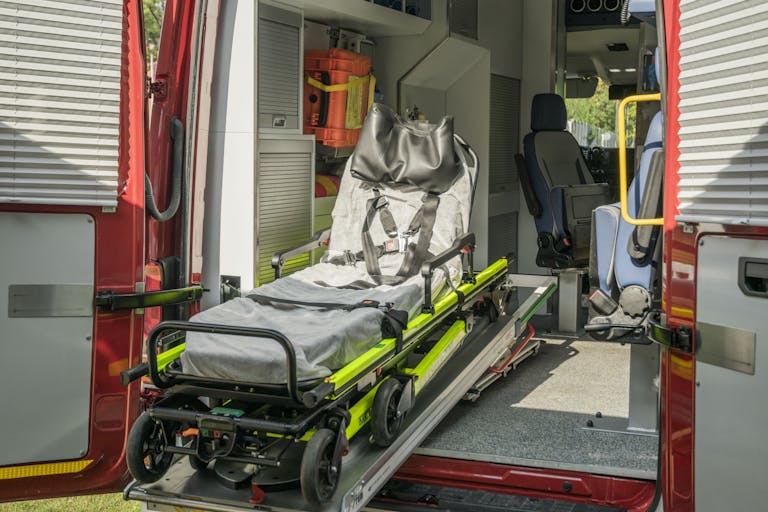
- Wheelchair and stretcher accessibility: Vehicles should accommodate patients with mobility limitations or those who cannot sit upright.
- Onboard medical monitoring: Staff trained in hospice care or equipped to manage medical equipment such as oxygen tanks are invaluable during transport.
- Calming environments: Climate-controlled vehicles and a peaceful ambiance can make the ride a comfortable and stress-free experience.
Partnering with providers like Yuma Medical Transport ensures access to personalized solutions that respect patient dignity and care.
2. Seamless Coordination with Care Teams and Families
Hospice discharges often involve collaboration across multiple parties, from medical staff to family members. To ensure smooth operations:
- Communicate in advance: Confirm transport schedules with medical staff, families, and receiving hospice teams.
- Prepare necessary documentation: Ensure patient records, medications, and care instructions travel with them.
- Post-transfer coordination: Work with receiving parties to confirm a seamless handoff and continuity of care.
Effective communication makes hospice transitions smoother and eliminates unnecessary stress during what can be an emotional time for families.
3. Long-Distance Hospice Transportation
Sometimes, patients require travel over longer distances—for example, to return to their hometown or transition to a hospice facility located far away. Long-Distance Transport options are crucial in such cases.
- Patient comfort on long trips: Vehicles with reclining seats, spacious interiors, and climate control are essential for extended travel.
- Trained staff: Long-distance trips often require medical professionals onboard to manage patient care throughout.
- Real-time updates: GPS and communication tools keep everyone informed, ensuring families and hospice facilities know arrival times.
These solutions overcome geographical barriers, offering patients access to preferred care settings, no matter the distance.
4. Financial Accessibility for Families and Facilities
Transportation costs can add stress to families already managing hospice-related expenses. Providing clear financial options helps eliminate barriers:
- Insurance verification: Confirm whether patient insurance policies cover non-emergency medical transport (NEMT) for hospice discharges.
- Flexible Private Pay Options: Offer affordable direct-pay plans for patients and families.
- Cost efficiency through partnerships: Facilities can negotiate bulk pricing or special rates for frequent transfers with trusted providers.
With financial flexibility, families can focus on what matters most—supporting their loved ones during the transition.
5. Prioritize Safety and Compliance
Beyond comfort, safety during hospice discharge transportation must be paramount. Ensure transportation providers:
- Maintain licensing and insurance compliance: Verify all vehicles and drivers adhere to state regulations.
- Conduct regular inspections: Ensure vehicles are safe, clean, and mechanically sound.
- Employ trained professionals: Drivers and support staff should be certified in CPR and have experience managing hospice patient needs.
By prioritizing safety, you guarantee peace of mind for families and align with your facility’s commitment to patient care excellence.
6. Compassionate, Human-Centered Interaction
Hospice discharge is more than just transportation—it’s a deeply emotional moment for patients and their families. Quality services should emphasize compassion:
- Friendly and empathetic staff create a positive environment, acknowledging the patient’s and family’s feelings.
- Respect for patient dignity should be at the forefront, ensuring the transition feels personal and supportive.
- Accommodating family members in the vehicle when possible fosters comfort and reassurance for all parties.
These small but meaningful touches directly impact patient and family satisfaction, creating a lasting impression of your hospice’s care values.
FAQs About Hospice Discharge Transportation Services
Q: What are hospice discharge transportation services?
A: These services provide non-emergency transportation for patients being discharged from hospitals or medical facilities to hospice care settings, focusing on comfort, safety, and dignity.
Q: How do I choose the right transportation provider?
A: Look for providers that offer wheelchair/stretcher vehicles, trained staff, and options for personalized care. Services like Yuma Medical Transport specialize in these criteria.
Q: Are long-distance hospice discharges common?
A: Yes. Patients often prefer to transition to hospice care closer to loved ones or in a familiar setting, requiring Long-Distance Transport.
Q: Who pays for hospice discharge transportation?
A: Transport costs are often covered through insurance or Medicare/Medicaid. For families paying out-of-pocket, flexible Private Pay Options are available.
Q: What safety measures should I expect from a transportation provider?
A: Verified licensure, regular vehicle maintenance, trained personnel, and emergency protocols should all be standard.
Conclusion: Elevating Hospice Discharge with Transportation Solutions
Providing patients with safe and compassionate hospice discharge transportation services is an essential component of end-of-life care. For administrators, attention to detail—whether ensuring patient-specific accommodations, collaborating across teams, or leveraging financial solutions like Private Pay Options—reflects the values of your organization and enhances the overall patient experience.
Professional partnerships with providers like Yuma Medical Transport take the complexity out of coordinating patient discharges, offering streamlined solutions that prioritize comfort, safety, and empathy. Whether through local trips or Long-Distance Transport options, these services make every mile meaningful for hospice patients and their families.