Mastering Medical Transportation for Elderly Patients in Arizona: Unlocking Seamless Care and Independence
The aging population in Arizona has elevated the importance of a vital yet often overlooked service—medical transportation. Elderly patients depend on reliable transportation to access essential healthcare appointments, maintain their quality of life, and preserve their independence. As the demand for these services increases, so do the challenges of meeting them across Arizona’s expansive landscape.
This blog serves as a comprehensive guide on medical transportation for elderly patients in AZ, exploring best practices and considerations to enhance efficiency and reliability. Hospital and hospice administrators, this guide is tailored for you.
Introduction: Why Medical Transportation for Elderly Patients Truly Matters
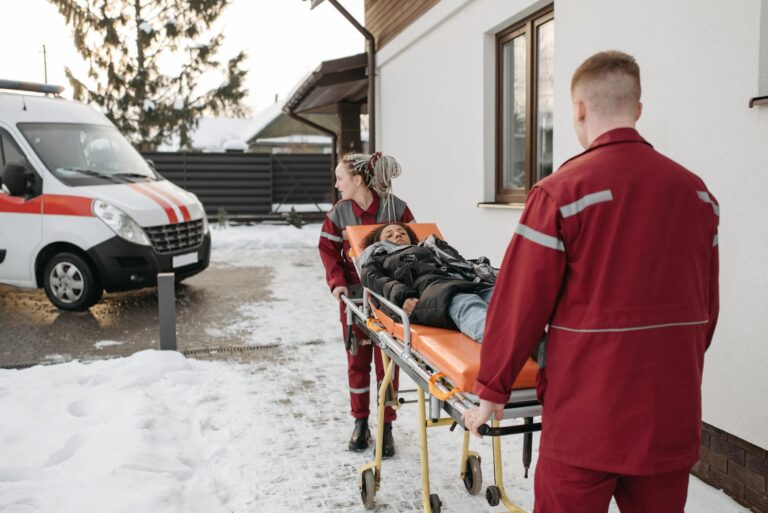
Aging doesn’t mean life slows down—it simply requires a bit more support. Medical transportation ensures that elderly patients in Arizona can attend crucial healthcare appointments such as dialysis, routine checkups, and rehabilitation therapy sessions. However, navigating Arizona’s vast geography, combined with the mobility challenges many seniors face, presents unique logistical hurdles.
Providers must address these challenges by offering services specifically tailored to elderly passengers, including ADA-compliant vehicles, compassionate support staff, and streamlined scheduling systems. With Arizona’s senior population projected to grow significantly in the coming years, understanding and implementing best practices in medical transportation is no longer optional—it’s essential.
Key Points: Best Practices and Considerations for Medical Transportation for Elderly Patients in AZ
1. Prioritize Accessibility and Comfort
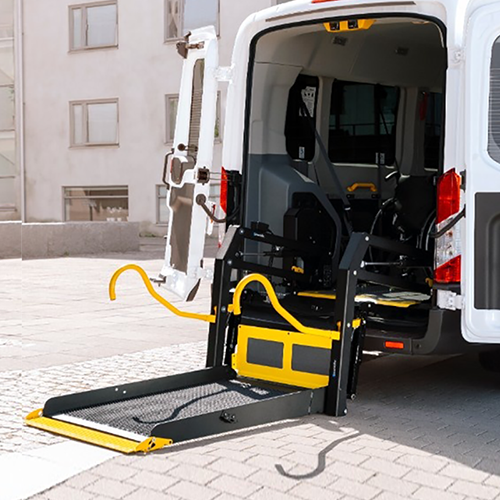
Arizona’s elderly population includes many individuals with mobility challenges requiring specialized accommodations. Medical transportation providers must ensure their vehicles are equipped with:
- Wheelchair lifts
- Accessible entryways
- Adjustable seating and climate control for patient comfort
- Comprehensive safety measures, such as secure straps for wheelchairs
Additionally, staff should be trained in patient handling techniques, especially for frail or disabled seniors needing extra care.
Pro Tip: Partner with trusted medical transportation services like Yuma Medical Transport to ensure your fleet is equipped with the latest accessibility features.
2. Embrace Technology for Efficiency
Given Arizona’s vast distances and high temperatures, delays in transportation can cause significant stress for elderly patients. To mitigate these issues:
- Implement GPS tracking to provide patients with real-time updates on vehicle arrival times
- Utilize intuitive scheduling software to streamline bookings and prevent double bookings
- Digitize operations for improved coordination between drivers, dispatchers, and healthcare facilities
The Takeaway: Integrating real-time technology enhances coordination and reliability, meeting the high expectations of today’s medical transportation landscape.
3. Address the Urban and Rural Divide
Seniors living in rural areas of Arizona face additional barriers to medical transportation due to the scarcity of nearby facilities and providers. Hospital and hospice administrators should strategize collaborations to bridge this gap:
- Urban/Central Hubs: Deploy more vehicles in city centers such as Phoenix, Tucson, and Scottsdale
- Rural Access Programs: Invest in long-distance transport options for rural residents, enabling access to vital healthcare facilities
Innovative partnerships with third-party organizations can help bridge these geographic gaps, ensuring no patient is left behind.
4. Flexible Payment Options, Including Private Pay
While Medicare and Medicaid cover certain types of medical transportation, many patients require additional flexibility. Offering private pay options allows healthcare facilities to meet the needs of seniors whose trips fall outside insurance parameters:
- Cater to non-covered medical appointments or personal therapy trips
- Provide transparent pricing for families seeking reliable services for their loved ones
- Expand your business by marketing this option to patients who value convenience and choice over restrictions
Offering private pay flexibility ensures that no patient misses crucial appointments due to financial constraints.
5. Ensure Staff Are Senior-Sensitive
Transporting elderly patients requires a higher standard of care compared to regular passenger services. Your staff should:
- Be CPR certified and trained in basic first aid
- Undergo regular senior care sensitivity training for empathetic and respectful communication
- Assist patients in navigating appointments, such as helping with check-ins upon arrival
Well-trained personnel not only ensure patient safety but also enhance your brand’s reputation for compassion and reliability.
Pro Idea: Incorporate role-playing and scenario-based learning regularly to improve your team’s interaction skills with elderly patients.
6. Emergency Preparedness
Arizona’s unique climate, characterized by frequent heatwaves and unpredictable weather, necessitates that transportation providers are prepared for emergencies. Medical transportation services must:
- Equip fleets with backup supplies (e.g., additional water, first-aid kits)
- Develop alternative routes and backup plans to avoid disruptions caused by extreme weather
- Partner with Arizona disaster agencies to coordinate large-scale evacuations for seniors during heat emergencies or natural disasters
In emergencies, preparedness directly translates to patient safety and enhanced trust in your services.
FAQs: Everything You Need to Know About Medical Transportation for Elderly Patients in AZ
Q1: What makes medical transportation different for elderly patients?
Elderly patients often require specialized accommodations, such as wheelchair lifts, oxygen tanks, and trained drivers who can assist with mobility challenges and emergencies.
Q2: Can Medicaid and Medicare cover medical transportation in AZ?
Yes, Medicaid (through AHCCCS requirements) and Medicare typically cover non-emergency medical transportation (NEMT) for eligible seniors. However, private pay options are invaluable for non-covered or elective trips.
Q3: What additional considerations should be made for long-distance transport?
For journeys taking several hours, prioritize patient comfort with climate-controlled vehicles and medical staff accompaniment. Long-distance transportation can bridge Arizona’s rural and urban divide by bringing elderly patients closer to specialized care facilities in metropolitan areas.
Q4: How can a hospital or hospice benefit from outsourcing transport?
Facilities that partner with trusted services like Yuma Medical Transport can significantly reduce operational costs while expanding their service capacity. External providers often bring advanced technology, additional vehicles, and specialized staffing solutions.
Q5: Are there senior-friendly transport technologies used in AZ?
Absolutely! Many providers leverage real-time tracking, automated dispatch systems, and digital booking platforms to ensure smoother, faster, and more reliable transport experiences for seniors.
Conclusion: Driving Forward with Better Elderly Patient Transport Services
Medical transportation for elderly patients in Arizona is about more than just vehicles—it’s about ensuring care, accessibility, and bridging gaps in the healthcare system. With a growing senior population and increasing demand, integrating technology-driven practices, offering flexible payment options, and collaborating with trusted providers like Yuma Medical Transport are essential for success.
By prioritizing comfort, compliance, and thoughtful logistics, hospitals and hospices can transform how elderly care is delivered—one safe and comfortable ride at a time. Whether addressing rural transportation gaps, embracing advanced technology, or preparing for extreme weather events, now is the time to elevate your patient transportation services.