Unlock Stress-Free Medical Travel: Your Guide to Seamless Long-Distance Logistics in Arizona
Medical travel logistics can feel daunting, especially when organizing transportation for a loved one with special medical needs. Arizona’s vast geography, ranging from bustling urban centers like Phoenix and Tucson to remote desert and mountain regions, adds another layer of complexity to planning these journeys. However, with the right approach and expert support, arranging safe and efficient long-distance medical transport across Arizona becomes entirely manageable.
Whether your loved one needs non-emergency transport to a healthcare facility, relocation, or specialized care in another part of the state, this guide on medical travel logistics Arizona will provide you with the information to get started. From professional tips to practical considerations, we’ve got you covered.
Introduction
Arizona’s diverse landscape and medical resources make it a hotspot for patients needing long-distance transport. However, coordinating medical travel logistics involves far more than simply booking a ride. It’s about ensuring the patient’s comfort, safety, and well-being during the journey, as well as managing timing, paperwork, and communication with care facilities.
Whether traveling between major hubs like Phoenix or Scottsdale or navigating rural areas with limited infrastructure, the foundation of successful medical travel logistics Arizona is proper planning. With careful consideration of patient needs, transport options, and Arizona’s unique challenges, families can ensure a seamless experience. Let’s explore the best practices and key considerations for organizing these important transfers.
Key Points: Best Practices for Medical Travel Logistics Arizona
1. Start With the Patient’s Needs
Every medical journey is unique, and the first step is to assess the patient’s specific needs. Considerations include:
- Medical Requirements: Does the patient require ongoing medical monitoring or oxygen during transit?
- Mobility: Are they able to sit upright, or will they need a stretcher or reclining bed?
- Assistance: Do they have mobility challenges that demand wheelchair assistance or lifts?
- Companionship: Should a family member or caregiver accompany them?
Communicating these details to your selected transport provider ensures they’re fully prepared with the appropriate equipment, vehicle type, and medical personnel.
2. Selecting the Right Transport Partner
Choosing a professional and experienced provider is crucial when managing medical travel logistics in Arizona. Look for transport services that specialize in long-distance medical transport and have a track record of safety and quality.
Key Attributes to Look For:
- Medical Support: Ensure the provider includes trained medical professionals such as EMTs, paramedics, or nurses onboard to manage any complications during the trip.
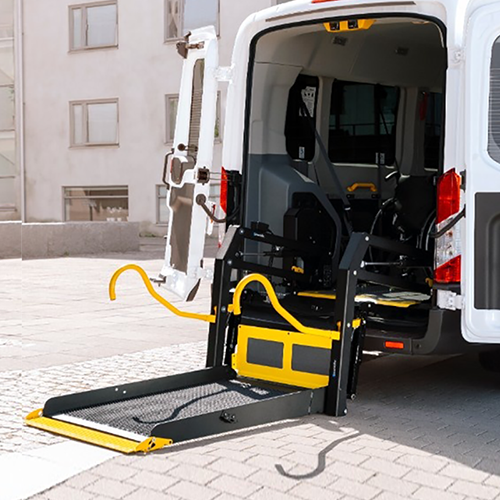
- Specialized Vehicles: Long-distance transport vehicles should be equipped with stretchers, wheelchair lifts, ample seating, and climate control for patient comfort.
- Local Knowledge: Transport providers familiar with Arizona’s geography will know how to handle challenging terrain, traffic congestion in urban centers, and remote rural stops.
Choosing a trusted partner like Yuma Medical Transport ensures comprehensive care every step of the way.
3. Route and Schedule Optimization
Arizona’s geography and weather make route planning essential for efficient medical travel. It’s important to ensure that both the timing and the route suit the patient’s condition and comfort.
Best Practices for Planning Routes:
- Avoid Rush Hours: In cities like Phoenix and Tucson, peak traffic hours (7-9 AM, 4-6 PM) can add unnecessary delays. Plan outside these windows whenever possible.
- Consider Weather Conditions: Arizona’s extreme summer heat can impact both the patient and the vehicle, making early mornings or evenings better for travel.
- Plan Rest Stops: For long-haul trips, include periodic breaks for hydration, snacks, or stretches, especially when traveling with older patients or those with chronic conditions.
Working with a company that offers flexibility and experience in route logistics can simplify this process and keep the trip stress-free.
4. Ensure Comfort and Safety for the Patient
Long-distance medical transport can be physically taxing, so prioritizing comfort and safety is key.
Comfort Considerations:
- Seating Arrangements: Reclining chairs, cushions, and blankets can help minimize discomfort during multi-hour drives.
- Climate Control: Climate-controlled vehicles protect patients from Arizona’s harsh temperatures, whether it’s the intense desert heat in summer or cooler mountain air in winter.
Medical Safety:
Beyond comfort, safety features such as seatbelts for stretchers, emergency medical kits, and onboard medical monitoring should be standard.
5. Understand Cost and Financial Options
Medical transport costs can vary depending on distance, the patient’s needs, and additional customizations. While insurance may cover parts of non-emergency transport, private pay options provide a flexible, transparent alternative.
Benefits of Private Pay Options:
- Customization: Private pay allows you to select add-ons like additional medical staff, premium seating arrangements, or family accommodations.
- Clear Pricing: Avoid hidden fees with upfront quotes and a breakdown of costs.
- Timely Scheduling: Families using private pay often enjoy quicker turnaround times compared to relying on insurance logistics.
Yuma Medical Transport offers private pay options that cater to Arizona residents seeking fully personalized long-distance transport solutions.
FAQs About Medical Travel Logistics Arizona
Q1: What type of patients benefit from long-distance medical transport in Arizona?
Patients recovering post-surgery, those with mobility challenges, seniors relocating to assisted living, or individuals heading to specialized care facilities are common candidates.
Q2: Can family members or caregivers accompany the patient?
Yes, many transport services allow family members to join the trip, providing emotional support and assistance. Be sure to confirm seating capacity in advance.
Q3: How far in advance should medical transport be scheduled?
For non-emergency services, it’s best to book 1-2 weeks in advance, though expedited services may be available.
Q4: Are Arizona transport providers equipped for cross-state travel?
Yes, many providers handle trips beyond Arizona, traveling to nearby states like California, Nevada, or New Mexico for specialized treatment.
Q5: Is the cost of transport covered by insurance?
Insurance may cover some elements of medical transport, but this varies by provider and policy. Private pay options are often chosen for greater flexibility and quicker arrangement.
Conclusion
Organizing medical travel logistics Arizona doesn’t have to be a difficult or stressful process. With the right preparation and a trusted transport partner, you can ensure that your loved one experiences a smooth, safe journey—whether it’s within the state or beyond. From assessing patient needs to planning efficient routes and selecting reputable providers, every detail matters when planning long-distance medical travel.
By choosing experienced services like Yuma Medical Transport, families can access professional, compassionate long-distance transport options designed with both patient and family comfort in mind. Explore flexible private pay options to customize the experience and focus on what truly matters: ensuring your loved one gets the care and support they need throughout their journey.
Safe travels!