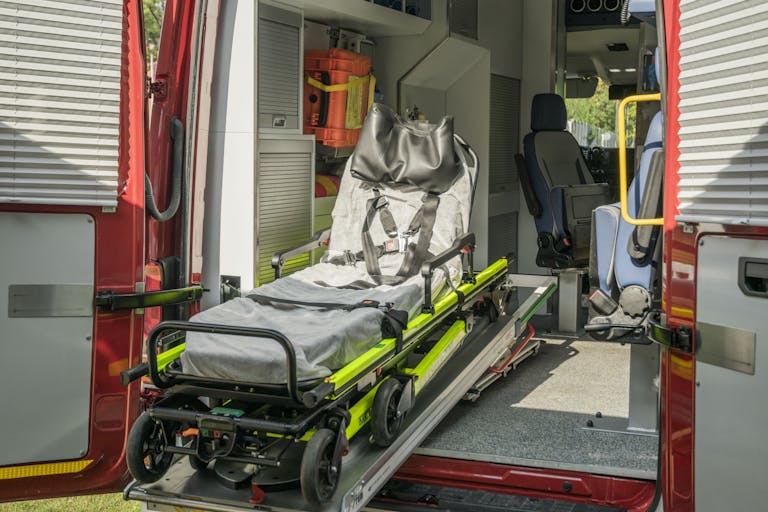
Discover Seamless Stretcher Patient Hospital Transfers in AZ: Elevate Care with Expert Solutions
Hospital transfers are a critical part of patient care, and when dealing with stretcher-bound individuals, the stakes are even higher. Whether it’s transferring patients between healthcare facilities, to long-term care, or discharging them to their homes, the process requires careful planning, safety precautions, and a patient-focused approach. Thankfully, stretcher patient hospital transfers AZ services are designed to meet these specific needs, ensuring seamless transitions for patients and healthcare providers alike.
For hospital and hospice administrators, understanding how to manage stretcher patient transfers effectively is key to delivering exceptional care. Let’s dive into the best practices, considerations, and strategies to streamline these transfers across Arizona.
Introduction: The Importance of Specialized Stretcher Patient Transfers
Transporting stretcher-bound patients involves unique challenges. Unlike standard medical transportation, these patients cannot sit upright for extended periods and often require monitoring or specialized medical care during transit. Without proper planning and services in place, these transfers can disrupt care continuity and compromise patient safety.
With reliable stretcher patient hospital transfers AZ, facilities can ensure that patients receive not just safe transportation, but a comfortable and dignified experience as they move between settings. Leading providers like Yuma Medical Transport offer tailored solutions designed to meet the specific needs of stretcher-bound patients, reinforcing care standards even beyond the hospital.
Key Points to Consider for Stretcher Patient Hospital Transfers in AZ
1. Safety Comes First
When transferring stretcher patients, safety must always be the top priority. Best practices include:
- Proper Transfer Equipment: Vehicles should feature durable stretchers, secure restraint systems, and smooth, safe loading ramps or lifts.
- Trained Personnel: Drivers and onboard attendants should be skilled in handling stretcher patients, including proper lifting and boarding techniques.
- Emergency Readiness: Ensure all transport staff are qualified to handle medical emergencies and can provide basic patient care if needed.
Selecting a reputable provider like Yuma Medical Transport means partnering with a team that’s fully equipped to meet these safety standards.
2. Coordinating a Streamlined Transfer Process
Effective stretcher patient transfers require seamless communication and scheduling between hospitals, families, and transport providers. Key steps include:
- Pre-Transfer Planning: Schedule transport in advance, clearly communicating all patient needs, medical requirements, and timelines to the provider.
- Team Collaboration: Foster communication between hospital staff, transportation personnel, and receiving facilities to ensure smooth handoffs.
- Monitoring and Updates: Leverage tools like GPS tracking and real-time notifications to keep families and facilities informed of the patient’s estimated arrival time.
Simple yet effective coordination ensures that stretcher patient transfers are executed without delays or unnecessary stress.
3. Addressing Long-Distance Transport Needs
Arizona’s healthcare landscape often requires patients to travel significant distances. For stretcher-bound patients, long-distance transport services are critical in ensuring safe and comfortable extended trips:
- Comfort-First Design: Vehicles must offer reclining stretchers, climate control, and padded interiors to optimize patient comfort.
- Medical Monitoring: Onboard medical staff should oversee patient health during the journey and manage any critical care needs.
- Collaboration with Receiving Facilities: Seamless communication ensures patients are ready to be received by their next care team with all necessary information provided in advance.
Reliable long-distance solutions effectively bridge Arizona’s regional divides, allowing patients to access care wherever they need it.
4. Financial Accessibility
Cost concerns shouldn’t create barriers to accessing stretcher patient transfer services. Financial options can make transportation services more accessible to both patients and administrators:
- Insurance Billing: Verify if the hospital transport is covered by patient insurance or government assistance programs like Medicare or Medicaid.
- Private Pay Options: Offer out-of-pocket payment plans, allowing families to choose payment structures that align with their financial capabilities.
- Partnership Agreements: Hospitals can work with providers to negotiate discounted or flexible pricing for recurring or high-volume transfers.
Clear, upfront communication about costs can reduce financial stress and enhance decision-making for patients and their families.
5. Compliance with Transport Regulations
Maintaining compliance with Arizona’s medical transportation laws and regulations is vital for ensuring safe and legal transfers. Key considerations include:
- Licensing and Certification: Providers must hold all required licenses for medical transportation services.
- Vehicle Inspections: Regularly maintained and inspected vehicles ensure both safety and reliability during transfers.
- Safety-Focused Training: Drivers and onboard staff should be CPR-certified and trained in advanced patient care techniques for stretcher-bound individuals.
Working with a trusted provider like Yuma Medical Transport ensures regulatory compliance and peace of mind for healthcare administrators.
6. Emphasizing Compassion and Comfort
Beyond logistical considerations, stretcher patient transfers should prioritize dignity and compassion. Focus on these elements to create a positive patient experience:
- Friendly and Understanding Transport Staff: Compassionate professionals can help soothe apprehension, especially in vulnerable patients.
- Inclusivity for Family Members: Allow family members to accompany the patient during transport whenever possible.
- Customizable Care: Tailor the transport experience to each patient’s unique physical and emotional needs, from providing extra blankets to creating a calming environment.
A human-centered approach reflects the values of your organization and reinforces trust in its commitment to patient care.
FAQs About Stretcher Patient Hospital Transfers in AZ
Q: When are stretcher patient transfer services required?
A: These services are necessary for patients who cannot sit upright due to medical conditions, recovery status, or specific care needs during transportation.
Q: How do hospitals coordinate long-distance stretcher transfers?
A: Hospitals partner with transport providers who specialize in long-distance medical transportation, ensuring proper equipment, onboard medical support, and clear communication with the receiving facility.
Q: What costs are associated with stretcher transfers, and how are they managed?
A: Costs depend on distance, required medical services, and insurance coverage. Patients without insurance can utilize private pay options for flexible financial arrangements.
Q: Are there specialized safety features for stretcher transport vehicles?
A: Yes. Vehicles come equipped with secure restraints for stretchers, climate-controlled environments, and ramps or lifts for smooth loading and unloading.
Q: How do I select a stretcher transport provider?
A: Look for providers like Yuma Medical Transport with professional licensing, safety certifications, experienced staff, and the ability to handle both short- and long-distance transfers.
Conclusion: Simplifying Stretcher Patient Hospital Transfers in AZ
For hospital administrators, ensuring smooth and professional stretcher patient hospital transfers AZ is an essential part of delivering high-quality care. By prioritizing safety, streamlining scheduling, and focusing on patient comfort, you can create a seamless transfer process that reinforces care continuity and patient well-being.
With reliable providers like Yuma Medical Transport offering personalized solutions, long-distance transport capabilities, and flexible private pay options, administrators have all the tools needed to manage stretcher patient transfers effectively.