Ensuring Safe Medical Transport Across Arizona: A Road Safety Guide for Families and Providers
When it comes to medical transport, safety is the cornerstone of every journey. Whether navigating the urban streets of Phoenix or the vast desert highways of Arizona, ensuring patient safety on the road is paramount for families and healthcare providers alike. Road safety for medical transport AZ involves a combination of proper planning, specialized vehicles, trained personnel, and strict adherence to state and federal regulations.
For families arranging long-distance medical transfers, understanding what goes into road safety can help them make informed decisions about transportation services and select the right provider for their loved one’s unique needs. Let’s explore the key practices and considerations that support safe and effective medical transport on Arizona’s roads.
Introduction
Arizona’s landscapes are as diverse as its roadways: winding mountain passes, lengthy desert stretches, and busy city streets. This variability presents unique challenges for medical transport, making safety procedures even more critical. From patients with chronic conditions to individuals needing specialized care during transit, road safety ensures not only regulatory compliance but also peace of mind for families.
As clients search for dependable medical transport options, understanding the details of road safety for medical transport AZ equips them with the knowledge to choose professional and trusted providers. Let’s delve into the specifics that make medical travel safe in the Grand Canyon State.
Key Practices for Road Safety in Medical Transport AZ
1. Specialized Vehicles Designed for Safety
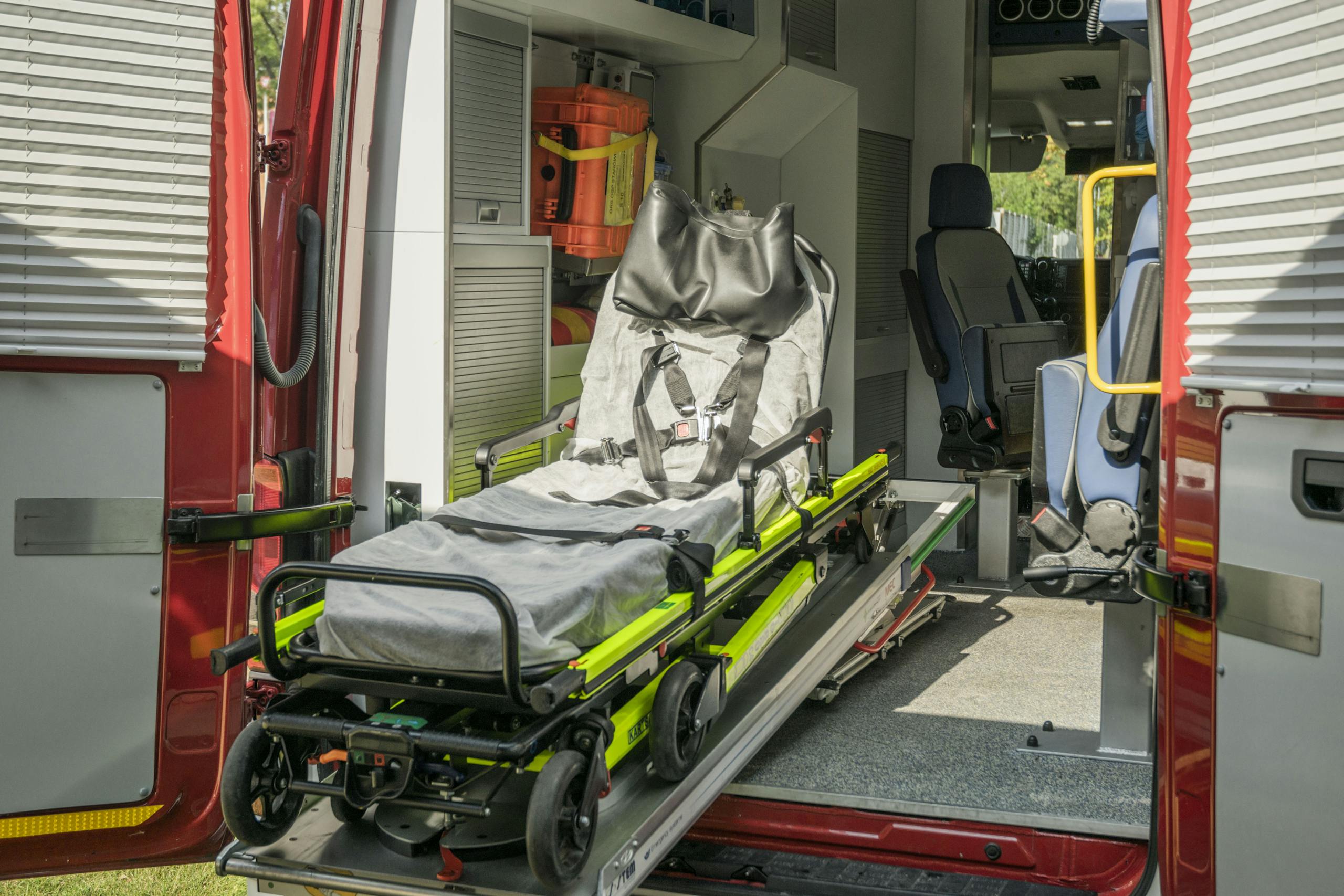
The foundation of road safety lies in the vehicle itself. Specialized medical transport is more than just a ride—it’s a mobile healthcare unit designed for patient comfort and security.
Key Vehicle Safety Features:
- Equipped Interiors: Vehicles should feature stretchers, wheelchair lifts, reclining seats, and securely installed medical equipment such as oxygen tanks and monitors.
- Climate Control: Arizona’s extreme temperatures, from scorching summers to cooler desert nights, require temperature-controlled vehicles to maintain patient comfort.
- Regular Inspection and Maintenance: Ensuring brakes, tires, and mechanical systems are regularly inspected guarantees that vehicles meet high safety standards, especially for long-distance routes.
At Yuma Medical Transport (YMT), we prioritize state-of-the-art vehicles that meet and exceed safety criteria, providing secure and comfortable transportation for all our clients.
2. Trained and Experienced Drivers
A well-maintained vehicle is only as effective as its operator. For medical transport, having skilled, licensed drivers is a critical component of road safety.
Driver Qualifications:
- Medical Transport Certification: Our drivers receive specialized training to handle patient transport, including emergency protocols.
- Defensive Driving Skills: Navigating Arizona’s mix of high-speed highways, sudden monsoons, and city traffic requires drivers adept in defensive driving techniques.
- Excellent Communication Skills: Drivers maintain clear communication with medical staff, caregivers, and dispatch teams to address any issues during transit.
3. Understanding Arizona’s Roadway Challenges
Arizona’s unique terrain and weather conditions present specific challenges to medical transport. Providers who understand and plan for these factors can ensure smooth and safe journeys.
Arizona-Specific Safety Considerations:
- Extreme Heat: Summer temperatures often exceed 100°F, making reliable air conditioning in vehicles essential for patient well-being.
- Desert Highway Isolation: Long stretches of road, especially between cities like Phoenix and Yuma, require careful route planning and scheduled stops for vehicle checks and hydration.
- Monsoon Season: Sudden downpours during Arizona’s monsoon season can reduce visibility and create slippery roads. Drivers are trained in safe-weather response protocols to handle these conditions effectively.
4. Strict Safety Protocols During Patient Transport
Patients requiring medical transport often have specific needs that demand adherence to strict safety protocols. Ensuring these protocols are followed can transform a potentially stressful experience into a stable and comfortable journey.
Onboard Safety Practices:
- Proper Patient Positioning: Patients transported via stretcher or wheelchair are securely fastened to prevent injury during stops or sharp turns.
- Emergency Response Preparedness: All onboard staff are trained to handle medical emergencies swiftly, whether it involves administering medication or redirecting transport to the nearest facility.
- High Standards of Sanitization: Maintaining a clean and sterile environment within the vehicle, especially following the COVID-19 pandemic, protects vulnerable patients.
5. Coordination with Medical Professionals and Families
Road safety doesn’t happen in isolation—it involves efficient communication and planning with care facilities, medical teams, and family members.
Steps to Ensure Seamless Coordination:
- Clear Communication Before Departure: Aligning with families and healthcare providers on departure times, route options, and expected arrival times.
- Real-Time Monitoring in Transit: Utilizing communication tools such as two-way radios or GPS updates to keep all parties informed during the journey.
- Scheduled Rest Stops: For long hauls, such as trips between Phoenix and Tucson or northern Arizona, planning breaks to check on the patient’s well-being and reassess travel conditions.
FAQs About Road Safety for Medical Transport AZ
Q1: What is the primary goal of road safety for medical transport in Arizona?
The primary goal is to ensure that the patient reaches their destination safely and comfortably without compromising medical care during transit.
Q2: How do providers handle Arizona’s extreme summer heat during transport?
Reputable providers use advanced climate-controlled vehicles to maintain optimal temperatures, safeguarding both patients and onboard equipment from heat-related risks.
Q3: Are drivers trained for Arizona-specific roadway challenges?
Yes, our trained medical transport drivers are specifically prepared for unique conditions such as monsoon season rain, long desert stretches, and urban traffic congestion.
Q4: Can family members accompany patients during medical transport?
Many providers, including Yuma Medical Transport, allow family members or caregivers to travel with the patient, provided there is sufficient space in the vehicle. Confirm this option with your provider.
Q5: Are private pay options available for customized transport services?
Absolutely. Private pay options offer families the flexibility to schedule trips, choose specific vehicles, and customize medical care during transport.
Conclusion
Ensuring road safety for medical transport AZ requires meticulous attention to detail, from state-of-the-art vehicles to highly trained staff and robust communication protocols. For families arranging long-distance medical transport, understanding these procedures provides invaluable peace of mind.
Arizona’s varied geography and environmental challenges make selecting the right provider even more critical. Yuma Medical Transport (YMT) sets the gold standard for professional, secure transport, offering reliable long-distance transport options and flexible private pay solutions to meet every need.