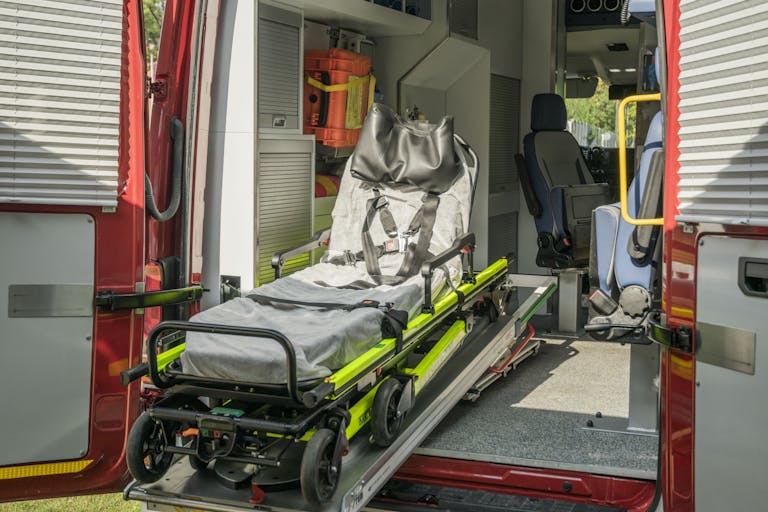
Traveling with Care: Navigating Family-Inclusive Long-Distance Medical Transport in Arizona
When a loved one requires long-distance medical transport, the process can feel overwhelming—especially when family members need to travel with them. Balancing comfort, safety, and logistics for both the patient and their companions can be challenging without the right resources. Luckily, family travel long-distance medical transport in AZ options are specifically designed to make these journeys seamless, efficient, and stress-free.
In this guide, we’ll explore everything you need to know about coordinating family-inclusive long-distance medical transport, including essential tips, best practices, and how to select the right service. Whether you’re helping a family member transition to a care facility or traveling out of state for specialized treatment, proper planning is the key to a successful journey.
Introduction
Arizona is home to a variety of care facilities and impressive healthcare systems, but sometimes the best medical care may require out-of-area travel. Families often wish to accompany their loved ones during these trips—providing not only emotional support but ensuring that they, too, have a smooth experience.
However, arranging family travel long-distance medical transport in AZ comes with logistics that go beyond standard transport. You need vehicles that accommodate not just medical needs but also family members, efficient scheduling, and reliable professionals who will handle every detail. With the right planning, you can ensure a journey that puts everyone’s mind at ease.
Key Points: Best Practices for Family Travel Long-Distance Medical Transport in AZ
1. Assessing the Patient’s Needs
The first and most important step is understanding the medical and logistical needs of the patient. This ensures the transport provider can prepare for the journey appropriately.
Key Considerations Include:
- Medical Monitoring: Does the patient require medical monitoring, such as oxygen, heart rate tracking, or pain management, during transit?
- Mobility Assistance: Is mobility assistance needed (e.g., a wheelchair, stretcher, or lift accessibility)?
- Dietary and Medication Requirements: Are there any dietary or medication needs for the patient during travel?
Once these are outlined, you can share the details with your transport provider to guarantee the necessary equipment and personnel are ready.
2. Selecting the Right Transport Service
Not all medical transport providers offer family-inclusive services, so choosing the right company is essential.
What to Look For:
- Specialized Vehicles: Ensure the company’s transport vehicles are large enough to accommodate the patient, their medical needs, and accompanying family members comfortably. Features like reclining seats, climate control, and Wi-Fi for longer trips can make the journey more pleasant.
- Trained Professionals: Providers should include medically trained staff, such as nurses or paramedics, to handle the patient’s health needs throughout the trip.
- Local Expertise: Choose a provider familiar with Arizona routes and cities, particularly with long-distance travel logistics.
Yuma Medical Transport offers highly-rated long-distance transport options that can easily accommodate family members, ensuring everyone travels together safely and comfortably.
3. Coordinating Family Travel Logistics
When organizing family travel alongside medical transport, additional planning is necessary to ensure smooth coordination. Here are some tips to make it easier:
3.1 Pack Essentials:
In addition to medical supplies, pack personal items for the patient and family members. Items like blankets, snacks, water, medications, and entertainment (for longer journeys) can make the trip more enjoyable.
3.2 Confirm Family Seating Options:
Ask your transport provider about the number of family members who can accompany the patient. Many vehicles are designed to include reclining passenger seats next to the patient’s accommodation.
3.3 Identify Rest and Meal Breaks:
Long journeys through Arizona’s desert highways may require periodic stops. Coordinate these breaks with your provider for hydration, meals, or just a moment to stretch your legs.
4. Arizona-Specific Considerations
Arizona’s geography and climate play a big role in long-distance medical transport. Here’s how to address these local challenges:
- Extreme Heat: Arizona summers can be harsh, so having a well-equipped, climate-controlled vehicle is non-negotiable. Ensure your provider prioritizes this feature.
- Long Rural Stretches: If traveling between remote areas, such as Yuma and Phoenix, plan for limited convenience stops. Your transport provider can assist with these logistics.
- Urban Traffic: When traveling into bustling areas like Phoenix or Tucson, timing is critical. Avoid peak traffic times (typically 7-9 AM and 4-6 PM) to minimize delays.
5. Exploring Private Pay Options
When arranging combined transport for patients and family members, insurance coverage may have limitations. Many families look to private pay options for greater flexibility.
Benefits of Private Pay Options:
- Customizable Plans: Tailored services that can include additional family seats, flexible scheduling, and route planning.
- Transparency: Clear pricing with no surprise fees.
- Immediate Availability: Private pay options allow for quicker arrangements compared to navigating insurance protocol restrictions.
Yuma Medical Transport provides highly customizable private pay services to meet the needs of families traveling for long-distance medical care.
FAQs About Family Travel Long-Distance Medical Transport in AZ
Q1: Can children travel with patients in long-distance medical transport vehicles?
Yes, many providers allow children to accompany patients, but it’s essential to confirm specific vehicle capacity and safety accommodations with the provider.
Q2: Do transport providers offer overnight travel options?
Yes, many medical transport companies in Arizona handle overnight or multi-day trips. They can coordinate rest stops and provide comfortable seating or sleeping arrangements as needed.
Q3: What happens in case of a medical emergency during transport?
Trusted providers include trained medical personnel equipped to handle emergencies during transit. The vehicle is also prepared with essential medical supplies, like oxygen tanks or monitoring systems.
Q4: Are family-inclusive services covered by insurance?
Some insurance policies may partially cover transport for the patient, but family-inclusive services often require private pay options for additional passengers or custom features.
Q5: How far in advance should I book medical transport?
While some providers offer rapid scheduling for emergencies, it’s best to book at least a week in advance to ensure proper planning and preparation.
Conclusion
Finding the right family travel long-distance medical transport in AZ provider can ensure that everyone feels cared for—both the patient and their loved ones. From Arizona’s desert highways to bustling city hubs, partnering with an experienced provider allows you to focus on supporting your loved one while leaving the logistics to the experts.
With Yuma Medical Transport, families have access to reliable, professional transport that meets the unique needs of both patients and their companions. Whether using long-distance transport services or selecting private pay options for tailored care, you can create a safe and stress-free travel experience.