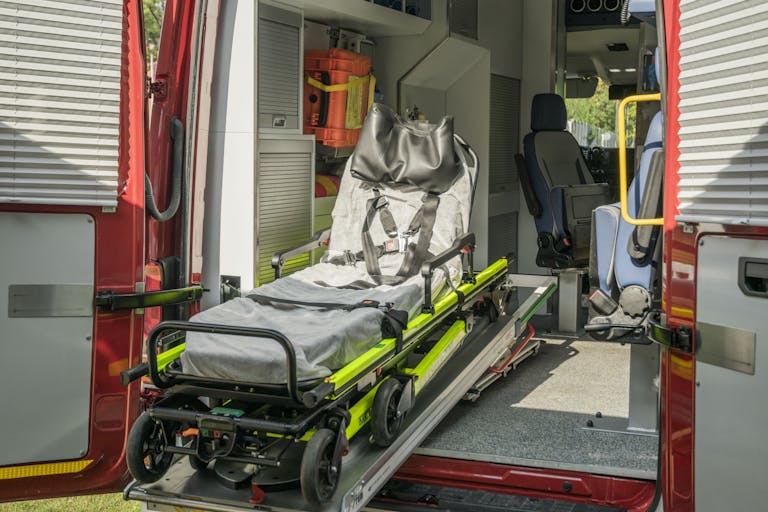
Unlocking Excellence: How Partnering with Medical Transport Providers Transforms Patient Care and Facility Efficiency
When it comes to patient care, transportation is more than just logistics—it’s an extension of hospital and hospice services that impacts patient safety, satisfaction, and operational efficiency. Whether you’re managing transfers between facilities, providing routine appointments for elderly patients, or addressing long-distance transport needs, the right partnerships with medical transport providers can streamline services and enhance outcomes.
In this guide, we explore the key considerations and best practices for partnering with medical transport providers to help hospital and hospice administrators make informed, strategic decisions that benefit both patients and their organizations.
Introduction: The Importance of Partnering with Medical Transport Providers
Think of medical transport as the connective tissue of your healthcare operation—essential, functional, and often underappreciated. Reliable medical transport ensures that patients arrive on time, safely, and in the best possible condition, whether it’s for dialysis, specialized procedures, or even routine follow-ups. In the world of healthcare, brushing off transportation as just a logistic process is a missed opportunity.
Partnering with medical transport providers allows hospital and hospice administrators to focus on delivering care while delegating complex tasks like fleet management, compliance, and scheduling to professionals. Whether you’re a small hospice facility or a multi-campus hospital, the right medical transport partner can reduce costs, improve efficiency, and provide peace of mind.
Now, let’s break down how to do this right.
Key Points: Best Practices for Partnering with Medical Transport Providers
1. Define Your Organization’s Unique Transport Needs
Before jumping into a partnership, take a comprehensive look at your current transport operations. Understanding your organization’s needs will ensure you select the right partner.
Key Considerations:
- Patient Types: Are you transporting ambulatory, non-ambulatory, or wheelchair-bound patients?
- Geographic Areas: Do you require services in urban vs. rural areas, or long-distance transport?
- Transfer Volume: What is the daily, weekly, or monthly volume of transfers?
- Special Care Needs: Do patients require oxygen support or medical monitoring during transport?
Pro Tip: Facilities serving rural areas may benefit from long-distance transport services, a specialty offered by leading providers like Yuma Medical Transport.
2. Evaluate Provider Credentials and Compliance
Regulatory compliance in medical transport is non-negotiable. Ensuring your provider meets all state and federal requirements is a critical aspect of the partnership process.
What to Look For:
- Licensing: State-licensed vehicles and certified drivers.
- Accessibility: Compliance with ADA standards for wheelchair-accessible vehicles.
- Training: Personnel certified in CPR and emergency interventions.
- Maintenance: Regularly updated maintenance records for all transport vehicles.
Partnering with providers who prioritize compliance protects your organization from liability and ensures patient safety.
3. Prioritize Patient Comfort and Experience
In non-emergency medical transport, patient experience is paramount. Your transport provider serves as an extension of your brand, so their service quality directly reflects on your facility’s reputation.
How Providers Deliver Comfort:
- Vehicle Features: Temperature control, noise reduction, and adjustable seating for long rides.
- Staff Training: Friendly, patient-focused transport staff trained to provide emotional support.
- Assistance Services: Help with boarding, disembarking, and navigating to appointments.
Why It Matters: A smooth, stress-free transport experience can significantly enhance patient satisfaction—even in non-clinical interactions like transportation.
4. Leverage Advanced Technology
Modern medical transport providers utilize technology to streamline scheduling, improve route planning, and maintain transparency.
Tech to Look For:
- Real-Time GPS Tracking: Monitor vehicle locations for better scheduling and coordination.
- Digital Scheduling Platforms: Easily integrate with your existing systems for seamless operations.
- Automated Updates: Notify patients, families, and receiving facilities of arrival times.
Choosing a tech-savvy provider ensures efficient solutions to traditional challenges such as route inefficiencies and delayed patient arrivals.
5. Ask About Flexible Payment Structures
Not all transport scenarios are covered by insurance or Medicaid/Medicare. A provider that offers private pay options adds value to the partnership and addresses financial gaps for patients.
Benefits of Flexible Payment Options:
- Coverage Flexibility: Accommodate non-traditional transport requests or elective trips.
- Reliable Access: Ensure patients always have access to dependable transportation.
- Inclusive Care: Demonstrate proactive and inclusive care by addressing diverse financial needs.
Action Idea: Include information about private pay options in your patient education materials to encourage broader access to transport services.
6. Plan for Emergency Scenarios
Even in non-emergency transfers, unexpected situations can arise. Your transport provider should be prepared to handle complications while ensuring patient safety.
Questions to Ask Providers:
- Emergency Training: Are all staff trained in handling medical emergencies like cardiac arrest or respiratory distress?
- Medical Supplies: Do vehicles carry essential emergency medical supplies, such as oxygen tanks and first-aid kits?
- Contingency Plans: What plans are in place for vehicle breakdowns, traffic, or adverse weather conditions?
Preparing for the unexpected helps maintain continuity of care and minimizes transport delays or health concerns.
7. Embrace Partnerships to Scale Operations
Outsourcing transportation to an established provider allows your organization to scale without the associated overhead costs.
Advantages of Partnering:
- Resource Allocation: Focus on improving clinical care while the provider handles transportation logistics.
- Fleet Access: Gain access to larger fleets and specialized vehicles without significant capital investment.
- Administrative Ease: Reduce the administrative burden by delegating compliance and operations to experts.
Providers like Yuma Medical Transport specialize in meeting the specific needs of hospitals and hospice facilities, offering everything from long-distance transport to tech-driven scheduling tools.
FAQs: Common Questions When Partnering with Medical Transport Providers
Q1: How do medical transport providers ensure patient safety during transit?
- Trained Staff: Providers employ personnel certified in CPR and emergency care.
- Regulatory Compliance: Vehicles meet all state and federal safety and hygiene regulations.
Q2: Can medical transport providers help with long-distance transfers for rural patients?
Yes, many transport providers, including Yuma Medical Transport, offer long-distance transport services tailored to rural and underserved areas, ensuring patients can access specialty care without geographical barriers.
Q3: What are the advantages of private pay options for medical transport?
Private pay options provide flexibility for trips not covered by insurance, ensuring patients have access to reliable transportation when needed.
Q4: How do partnerships streamline scheduling and reduce delays?
Most providers use advanced technological tools, including digital scheduling and GPS tracking, to minimize delays and optimize routes, keeping both patients and facilities informed of transport progress.
Conclusion: Why Partnering with Medical Transport Providers is the Smart Move
Medical transport often feels like just another checklist item in patient care logistics, but it’s a vital service that directly impacts patient outcomes and facility efficiency. By partnering with medical transport providers, hospital and hospice administrators tap into unparalleled expertise, advanced technology, and compassionate care solutions that elevate the overall experience for patients.
Whether you’re coordinating complex long-distance transitions, streamlining routine transfers, or tackling unexpected challenges, a strong partnership with a reliable provider makes all the difference. Providers like Yuma Medical Transport offer tailored solutions to make this process efficient, flexible, and patient-focused.
Yuma Medical Transport – Delivering Safety, Comfort, and Professionalism on Every Journey.