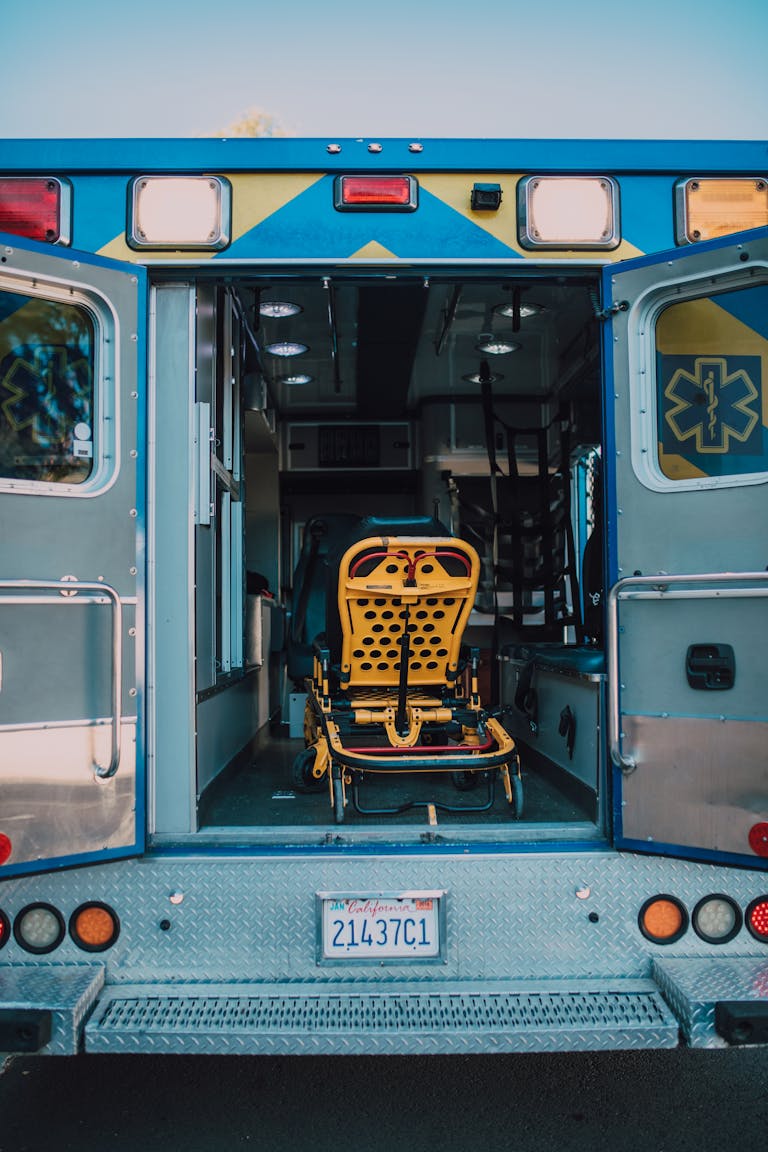
Transforming Patient Care: Best Practices in Medical Transportation for Healthcare Facilities
Hospitals and hospice administrators understand that medical transportation for healthcare facilities transcends mere logistics—it’s a vital element of patient care. Coordinating safe, reliable, and efficient transport for patients with diverse medical needs ensures seamless transitions between facilities, enhances the patient experience, and ultimately improves health outcomes. But how can your facility ensure that its medical transportation strategy is exemplary?
Whether organizing routine non-emergency transports, managing long-distance patient relocations, or accommodating specialized needs, a thoughtful and robust plan is essential. This guide outlines best practices and considerations for coordinating medical transportation for healthcare facilities, helping you deliver enhanced services for your patients and streamline your internal operations.
Introduction: Why Medical Transportation is Critical for Healthcare Facilities
Imagine a patient ready for discharge from rehab needing transportation to their home, or another patient stabilized at your hospital requiring ongoing specialty care at a distant facility. These transitions are pivotal—not just as logistical concerns but as key moments in the patient care journey.
For healthcare facilities, coordinating medical transportation isn’t merely about arranging a ride. It involves ensuring that each transfer is safe, timely, and tailored to the patient’s specific medical needs, all while adhering to stringent industry regulations.
From long-distance transport to private pay options, modern medical transportation solutions can revolutionize how hospitals and hospices facilitate care transitions. Let’s explore best practices and strategies for mastering this critical aspect of healthcare logistics.
Best Practices for Medical Transportation for Healthcare Facilities
1. Collaborate with Reliable Transport Partners
Outsourcing medical transportation to trusted providers is often the most effective approach for healthcare facilities. These providers bring the resources, expertise, and compliance measures necessary to manage both routine and complex transfers.
What to Look for in a Partner:
- State-licensed and ADA-compliant vehicles that accommodate all patient needs, from wheelchairs to stretchers.
- Flexible options for non-emergency medical transport and specialized long-distance services.
- 24/7 availability to meet urgent transfer needs, minimizing bottlenecks in patient care.
Solution Highlight: Services like Yuma Medical Transport’s Partnership Services offer healthcare facilities comprehensive transportation solutions, combining reliability with tailored capabilities for hospitals and hospices.
2. Prioritize Patient Comfort and Wellbeing
Medical transportation isn’t just about moving from point A to B—it’s about ensuring patients feel safe and supported during their transition. Many patients, particularly older adults or those with mobility issues, may experience stress during transport, making comfort a top priority.
Checklist for Patient-Friendly Transport:
- Comfortable and climate-controlled vehicles to ensure safety in varying conditions.
- Staff trained in delivering compassionate care and assisting with boarding and disembarking.
- Options for reclining seating or accommodating portable medical equipment like oxygen tanks when necessary.
Why It Matters: A positive transport experience fosters greater confidence in your facility and its services among patients and their families.
3. Address the Needs of Long-Distance Transport
Arizona’s expansive geography and diverse communities necessitate reliable solutions for long-distance transport. Patients often require services to connect rural settings with urban hospitals or specialists in neighboring states.
Best Practices for Long-Distance Transfers:
- Dedicated vehicles designed for extended trips, featuring spacious interiors and rest areas.
- Protocols for scheduled breaks during extended travel to ensure patient comfort and prevent fatigue.
- Coordination with receiving facilities to streamline admissions and avoid unnecessary delays.
Pro Insight: Partner with transport providers experienced in bridging rural-urban healthcare gaps, ensuring that isolated patients remain connected to critical resources.
4. Leverage Technology to Enhance Efficiency
Modern tools can optimize scheduling and enhance communication between hospitals, patients, and transport providers, moving beyond outdated methods like voicemails and endless paperwork.
Technology to Prioritize:
- Scheduling Platforms: Digital platforms that sync patient records, transport scheduling, and facility calendars for seamless communication and reduced errors.
- GPS Tracking: Real-time tracking allows all stakeholders to monitor vehicle progress, providing live updates to families and staff.
- Automated Notifications: Automated text or call systems inform patients or caregivers when transport is en route, alleviating uncertainty.
Takeaway: Upgrading your facility’s technology toolbox not only improves efficiency but also builds trust with patients and their families.
5. Integrate Flexible Payment Options
Financial barriers shouldn’t impede seamless patient transportation. While many medical transport services are covered by insurance, situations may arise where they aren’t. Specialized transport, long-distance relocations, or outpatient needs often fall into these gaps.
Solution: Private Pay Options:
- Offer patients payment flexibility to accommodate situations where insurance coverage is unavailable.
- Provide tiered pricing structures for families seeking enhanced transport options.
- Collaborate with providers who streamline billing, ensuring the process remains simple for patients and staff.
Pro Recommendation: Partnering with transport services that offer private pay options, like Yuma Medical Transport’s Partnership Services, ensures no patient is left without reliable transportation.
6. Establish Emergency-Ready Protocols
Even routine non-emergency trips can encounter unexpected emergencies. Preparedness is crucial to ensure patient safety and protect your facility’s reputation.
Emergency-Ready Steps:
- Equip vehicles with essential emergency equipment, such as oxygen tanks and defibrillators.
- Train staff to respond effectively to medical emergencies during transport.
- Develop contingency plans for weather disruptions, traffic delays, and vehicle issues.
Why It’s Crucial: Patients entrust your healthcare facility not only with their care but also with their safe and secure transportation.
FAQs: Medical Transportation for Healthcare Facilities
Q1: What types of patients typically require medical transportation?
- Elderly patients needing mobility assistance.
- Post-operative patients requiring non-emergency transit.
- Long-distance patients connecting with specialty care.
- Hospice patients transitioning to comfort care environments.
Q2: How do healthcare facilities ensure ADA compliance during transport?
- Partner with state-licensed providers whose medical vehicles meet ADA standards, including wheelchair lifts and adequate vehicle spacing.
- Train drivers and staff to accommodate individuals with disabilities respectfully and professionally.
Q3: What role does technology play in medical transportation for healthcare facilities?
Technology enhances transport efficiency and transparency by:
- Offering live tracking for precise communication.
- Scheduling patient pickups without delays or overlaps.
- Digitally sharing patient records or transport requirements.
Q4: Are private pay transport services common?
Yes, private pay options are widely embraced by top-tier transport providers. They allow families to bypass insurance limitations, access enhanced care, and schedule transportation as needed without additional paperwork delays.
Conclusion: Elevating Medical Transportation for Healthcare Facilities
Providing top-quality medical transportation for healthcare facilities involves more than scheduling vehicles or partnering with third-party providers—it’s about creating a seamless journey that supports patient care from start to finish. By focusing on tailored solutions, embracing technology, and collaborating with trusted partners like Yuma Medical Transport, healthcare administrators can streamline logistics, boost patient satisfaction, and simplify internal processes.