Unlock Seamless Interfacility Transfers in Arizona: Essential Protocols and Strategies for Healthcare Leaders
Interfacility transfers are essential to a seamless healthcare system, ensuring that patients move between hospitals, specialized clinics, hospice settings, and long-term care facilities efficiently and safely. For hospitals and hospice administrators in Arizona, optimizing interfacility transfer protocols is crucial for providing high-quality patient care while maintaining regulatory compliance and operational efficiency.
Arizona’s unique geography and healthcare demands, ranging from bustling cities to remote rural areas, necessitate precision, coordination, and forward-thinking strategies in interfacility transfers. This guide explores the best practices and key considerations for implementing effective protocols tailored to Arizona’s healthcare landscape.
Introduction: Why Interfacility Transfer Protocols Are Critical
Interfacility transfers are more than logistical tasks—they are pivotal healthcare interactions where coordination, communication, and compliance significantly impact patient outcomes. Whether facilitating specialized treatment at a tertiary hospital, transferring hospice patients to a comfortable long-term setting, or accommodating emergencies, standardized interfacility transfer protocols in AZ ensure a smooth patient journey.
In Arizona, where the healthcare system must navigate both urban congestion and the challenges of reaching remote communities, transfer protocols must address these unique circumstances. With stakes that include patient safety, timely care delivery, and legal compliance, establishing robust protocols is non-negotiable.
Ready to enhance your interfacility transfers? Let’s delve into the essential components of efficiency and reliability.
Best Practices for Interfacility Transfer Protocols in AZ
1. Establish and Standardize Clear Communication Protocols
Effective interfacility transfers start and finish with strong communication. Hospitals and hospice administrators must ensure every transfer includes detailed, timely information shared between the transferring and receiving facilities.
Key Communication Best Practices:
- Utilize standardized forms to transfer critical medical information, including diagnoses, medication lists, and treatment histories.
- Designate a central point of contact at both facilities responsible for coordinating transfer communication.
- Implement digital sharing platforms to facilitate secure, instant document transfers and reduce administrative delays.
Pro Tip: Centralizing communication within a single system prevents information fragmentation and reduces the risk of medical errors.
2. Align with EMTALA and State Regulations
The Emergency Medical Treatment and Labor Act (EMTALA) serves as the primary regulation for interfacility transfers, ensuring stable patient transitions regardless of financial or systemic barriers. Complying with EMTALA requirements is mandatory.
What EMTALA Compliance Includes:
- Stabilizing patients to the best of the transferring facility’s ability before transfer.
- Documenting written consent from patients or guardians for non-emergency transfers.
- Ensuring the receiving facility agrees to accept the transfer and can accommodate the patient’s needs.
Arizona-Specific Notes:
Protocols must also consider state laws related to Medicaid logistics and compliance in rural and underserved areas where access to emergency resources may be limited.
3. Partner with Reliable Medical Transport Services
Not all facilities can—and should—manage medical transport independently. Partnering with experienced transport providers helps hospitals and hospices handle time-sensitive and medically delicate transfers effectively.
What to Look for in a Transport Partner:
- State-certified transport providers who comply with safety and accessibility standards.
- Options for long-distance transport, especially for connecting rural Arizona patients to urban healthcare centers.
- Flexible financial structures, including private pay options for patients not covered by Medicaid, Medicare, or insurance plans.
Why This Matters: Trusted partnerships reduce the administrative burden on your facility and ensure patient safety from start to finish.
4. Focus on Patient-Centric Transfers
Every interfacility transfer protocol must prioritize the patient’s comfort, safety, and dignity. Post-procedure patients or those in hospice care often face physical, emotional, and logistical challenges during transfers.
Patient-Centric Features to Implement:
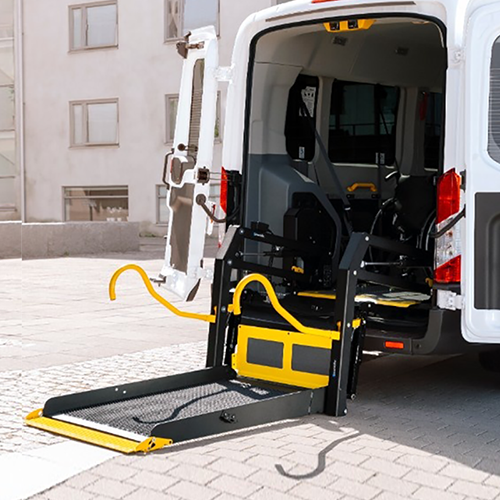
- Vehicles equipped for specific medical needs, such as stretchers, wheelchairs, or neonatal care units.
- Trained personnel skilled in compassionate care during transport, particularly for vulnerable populations.
- Climate-controlled transport to ensure patient comfort—essential for Arizona’s weather extremes.
Pro Insight: Integrating a patient satisfaction metric into your protocols can highlight areas for improvement and enhance your services over time.
5. Use Technology to Improve Transfer Efficiency
Modern protocols leverage technology to connect patients, facilities, and transport providers in real-time, ensuring smooth operations and mitigating delays.
Tech Solutions to Explore:
- Digital Scheduling Systems: Automatically align transport availability with hospital discharge timelines to prevent bottlenecks.
- GPS Tracking and Notifications: Provide real-time updates to the receiving facility, families, and medical teams on patient transport progress.
- Data Sharing Platforms: Instant access to digital medical records minimizes paperwork delays and improves hand-off accuracy.
Takeaway: Hospitals using integrated tech platforms experience faster transfer times, improved compliance, and reduced manual errors.
6. Address Geographic Challenges in Arizona
Arizona’s healthcare system faces unique challenges due to its mix of sprawling urban centers and remote rural areas. Interfacility transfer protocols must account for these geographic realities, especially when rural patients require access to specialized care unavailable locally.
Geography-Focused Considerations:
- Maintain agreements with long-distance transport providers to connect rural patients to hospitals in Phoenix, Tucson, or Flagstaff when necessary.
- Develop contingency plans for challenges like road closures, monsoon-related weather events, or vehicle downtime.
- Implement rural patient prioritization strategies to ensure underserved communities receive timely care.
Why It’s Essential: Geography shouldn’t impact a patient’s right to timely and effective care.
7. Establish Financial Transparency
Interfacility transfers often involve complex billing systems, especially for patients undergoing post-acute or non-emergency care transitions. Maintaining financial transparency ensures patients and their families understand their options.
Actionable Tips:
- Educate patients upfront about what services are covered by Medicaid, Medicare, or private insurance.
- Offer private pay options for non-covered transport or specialized requests.
- Collaborate with transport providers who offer multi-tier billing solutions to cater to diverse patient needs.
The Goal: Eliminate cost barriers by providing transparent pricing through strong communication and flexible payment methods.
FAQs: Interfacility Transfer Protocols in AZ
Q1: What does “interfacility transfer” mean in an Arizona context?
Interfacility transfer refers to moving a patient from one licensed medical facility to another—such as from a rural hospital to an urban specialty center—in compliance with state regulations and medical safety standards.
Q2: How does EMTALA apply to interfacility transfers in Arizona?
Under EMTALA, hospitals transferring patients must ensure that:
- The patient is stabilized prior to the transfer.
- The receiving facility has agreed to accept the patient.
- The entire process is documented, including patient consent.
Q3: Are interfacility transfers covered by insurance?
While many interfacility transfers are covered under Medicaid or Medicare, there are instances where private pay options may be necessary for non-covered transport or additional support services.
Q4: How can Arizona hospitals address transfer challenges in rural areas?
Rural facilities should:
- Partner with providers offering long-distance transport.
- Prioritize patients needing advanced care.
- Develop contingency plans for geographic obstacles like extreme weather or limited access routes.
Q5: What role does Yuma Medical Transport play in interfacility transfers?
Yuma Medical Transport offers specialized transport solutions, including long-distance capabilities, accessible vehicles, and flexible private pay plans—streamlining hospital workloads while ensuring patient comfort and safety.
Conclusion: Building Stronger Interfacility Transfer Protocols for AZ Hospitals
Effective interfacility transfer protocols in AZ are crucial for connecting patients with the care they need—quickly, safely, and seamlessly. By prioritizing standardized communication, embracing technology, choosing reliable transport partners, and addressing Arizona’s unique geographic challenges, your organization can ensure that patients experience smooth transitions between medical facilities.
For more information or to book a transportation service, contact Yuma Medical Transport at (928) 920-4935 or visit our website.