Unlock Stress-Free Journeys: Your Guide to Specialized Vehicle Long-Distance Transport in Arizona
Traveling long distances can be challenging enough, but when medical needs or mobility concerns are part of the equation, the task takes on a whole new level of complexity. For patients requiring medical support or specialized accommodations, arranging the right form of transport is key to ensuring a safe, comfortable journey. That’s where specialized vehicle long-distance transport AZ comes into play.
This service caters specifically to individuals who need more than a standard vehicle but don’t require emergency medical transport. Whether relocating for specialized treatment, transferring to a long-term care facility, or traveling to be closer to loved ones, these services combine safety, efficiency, and comfort.
In this comprehensive guide, we’ll explore the best practices, key considerations, and expert advice on coordinating specialized vehicle long-distance transport in Arizona. Let’s hit the road (safely, of course)!
Introduction
Arizona’s unique geography, sprawling urban centers, and remote rural areas often require patients and families to travel considerable distances for healthcare or relocation. Standard ambulances are overkill for non-emergency trips, but regular vehicles often aren’t equipped for the medical and physical needs of patients requiring specialized care.
This is where specialized vehicle long-distance transport AZ services shine. These vehicles are designed to provide both comfort and support, offering wheelchair lifts, stretcher accommodations, medical oversight, and advanced features such as climate control to handle Arizona’s extreme heat. With the right provider, patients can enjoy safe and stress-free travel.
Key Points: Best Practices for Specialized Vehicle Long-Distance Transport in AZ
1. When Do You Need Specialized Vehicle Transport?
Specialized vehicle long-distance transport meets the needs of a wide variety of individuals, including:
- Patients using wheelchairs, stretchers, or mobility aids.
- Individuals requiring oxygen, ventilators, or other medical equipment during travel.
- Seniors moving to long-term care facilities or family homes.
- Patients recovering from surgery or managing chronic conditions who are unable to travel independently.
Regardless of the reason for the trip, tailored transport ensures that the patient’s well-being is prioritized from start to finish.
2. Choosing the Right Specialized Vehicle Provider
Not all transport providers offer the same level of service, so choosing the right one is critical for a successful journey. Here’s what to look for:
2.1 Vehicle Capabilities:
Ensure the provider uses vehicles equipped with:
- Wheelchair lifts or ramps for easy access.
- Comfortable, reclining stretchers for patients needing to lie down.
- Secure harnesses and straps for safety during travel.
- Climate control systems to keep passengers comfortable in Arizona’s frequently hot weather.
2.2 Medical Oversight:
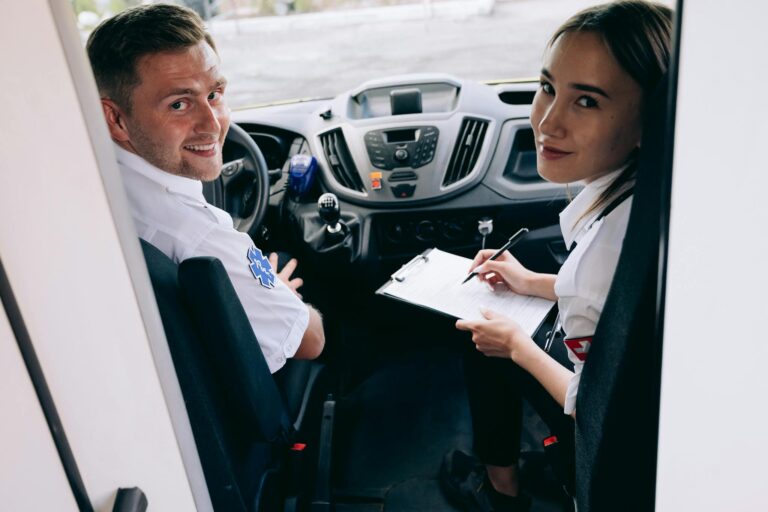
Confirm that trained medical personnel, such as paramedics, EMTs, or nurses, are on board if the patient requires monitoring or assistance during the trip.
2.3 Route Optimization Expertise:
Providers familiar with Arizona’s roads and geography can plan the best routes, avoiding potential delays due to construction, traffic, or road closures.
Yuma Medical Transport (YMT) specializes in long-distance transport, offering top-tier vehicles and medical oversight to ensure safe, efficient transfers.
3. Best Practices for Specialized Vehicle Long-Distance Transport in AZ
Planning a long-distance journey using a specialized vehicle requires attention to detail. Here are the top best practices:
3.1 Assess the Patient’s Needs:
Understanding the patient’s medical, physical, and emotional needs helps tailor the transport experience:
- Do they need full-time oxygen or medication during the trip?
- Will they require additional comfort items such as pillows or blankets?
- Is the patient accompanied by family, or should the transport provider supply a caregiver?
3.2 Plan the Route Carefully:
Arizona’s landscape ranges from urban congestion in Phoenix to long stretches of rural highways. Consider:
- Avoiding peak traffic times in busy areas.
- Accounting for scheduled rest breaks, especially on long-haul trips.
- Planning routes around Arizona’s infamous summer heat, which can strain vehicles and affect the patient’s comfort.
3.3 Confirm Logistics Ahead of Time:
To streamline the journey:
- Provide comprehensive health and medical information about the patient before booking.
- Ensure all necessary paperwork (like referrals for facilities or treatment centers) is ready.
3.4 Factor in Family Travel:
Many specialized vehicle options can accommodate family members so they can travel alongside the patient. Confirm how many passengers can fit in the vehicle.
4. Navigating Arizona’s Challenges
Arizona offers a distinct set of challenges when it comes to long-distance transport, and knowing how to overcome them ensures a smooth trip:
- Heat: With summer temperatures often exceeding 100°F, climate-controlled vehicles are essential. Patients—especially those in poor health—are extra sensitive to exposure or dehydration.
- Rural Accessibility: If the transport begins or ends in a remote Arizona community, make sure the provider has vehicles that can safely navigate less-paved roads or areas with limited infrastructure.
- Traffic: For urban destinations like Phoenix or Tucson, avoid peak hours and communicate with the transport provider about estimated times of arrival.
5. The Role of Private Pay Options
Insurance doesn’t always cover the costs of specialized vehicle transport, particularly for non-emergency transfers. This is where private pay options come in, offering:
- Customization: Tailor the journey based on patient needs, including optional medical personnel or personalized scheduling.
- Flexibility: Book trips faster without waiting on insurance approvals.
- Clear Pricing: Transparent quotes ensure families know what they’re paying for upfront.
Yuma Medical Transport (YMT) offers flexible private pay options to help families customize long-distance medical travels.
FAQs About Specialized Vehicle Long-Distance Transport in AZ
Q1: Are specialized vehicles only for patients with medical needs?
No, specialized vehicles are also ideal for seniors, individuals with disabilities, or anyone needing extra accommodations for long trips.
Q2: Can family members ride with the patient?
Yes, many providers allow family members to accompany patients for added support and reassurance.
Q3: What’s the maximum distance for specialized vehicle transport?
Long-distance trips can range from in-state transfers (e.g., Tucson to Phoenix) to cross-state journeys to nearby states such as California or Nevada.
Q4: How far in advance should I book transport?
It’s best to book 1-2 weeks in advance to ensure proper planning, though some providers can accommodate last-minute arrangements.
Q5: Are all vehicles equipped for extreme heat in Arizona?
Reputable providers prioritize climate control in their vehicles, ensuring patients stay comfortable even during Arizona’s hottest months.
Conclusion
Arranging specialized vehicle long-distance transport AZ is about more than just getting from Point A to Point B. It’s about ensuring patients travel safely, comfortably, and with the support they need for a stress-free experience. By assessing the patient’s requirements, working with experienced providers, and planning routes carefully, families can feel confident in their decision.
Providers like Yuma Medical Transport (YMT) excel in delivering professional long-distance transport services across Arizona, offering state-of-the-art vehicles and customizable private pay options to fit every need.