Navigate Arizona’s Desert Safely: Expert Medical Transport Tips for Yuma to Phoenix
When it comes to transporting a loved one requiring medical assistance from Yuma to Phoenix or vice versa, safety is the number one priority. Long-distance medical transport entails more than just getting from point A to point B—it’s about ensuring that the patient arrives securely, comfortably, and with the right medical support throughout the journey. Understanding medical transport safety procedures Yuma Phoenix can help families make informed decisions and create a smoother experience for everyone involved.
Whether you’re arranging transport for a senior citizen, a patient recovering from surgery, or someone requiring medical equipment during the trip, knowing what to expect can make all the difference. This comprehensive guide walks you through the safety procedures, best practices, and essential considerations specific to this Arizona route.
Introduction
The 180-mile stretch between Yuma and Phoenix sees many long-distance medical transports every year. These transfers are often necessary for accessing advanced medical care in Phoenix or relocating loved ones to or from Yuma for rehabilitation or hospice care. This route, stretching across Arizona’s desert terrain and major highways, poses unique challenges that require meticulous planning and strict adherence to medical transport safety procedures Yuma Phoenix.
At Yuma Medical Transport, we are equipped to handle these challenges, offering specialized vehicles, trained professionals, and custom transport solutions to ensure patient safety during long-distance transfers. Let’s dive into the key safety measures and expert recommendations for this common Arizona route.
Key Points: Best Practices for Medical Transport Safety Procedures Yuma Phoenix
1. Pre-Transport Assessment and Preparation
Safety begins long before the wheels start rolling. A thorough pre-transport assessment ensures that the patient’s needs are accounted for and every detail is planned:
Essential Pre-Transport Steps:
- Medical Assessment: Our team reviews the patient’s medical condition, medication requirements, and any mobility issues.
- Customized Equipment: We determine if the patient requires specialized equipment, such as oxygen tanks, cardiac monitors, or IV setups.
- Travel Timing: Planning the trip during the cooler parts of the day, particularly in summer, helps manage Arizona’s extreme desert temperatures.
Partnering with experienced providers like Yuma Medical Transport ensures that pre-transport assessments are handled with care and precision.
2. Vehicle Safety and Compliance
Safety procedures depend heavily on the vehicle’s condition and design. Our specialized medical transport vehicles adhere to strict safety and comfort standards.
Crucial Vehicle Features Include:
- Climate Control: Reliable air conditioning is essential to combat Arizona’s high desert temperatures.
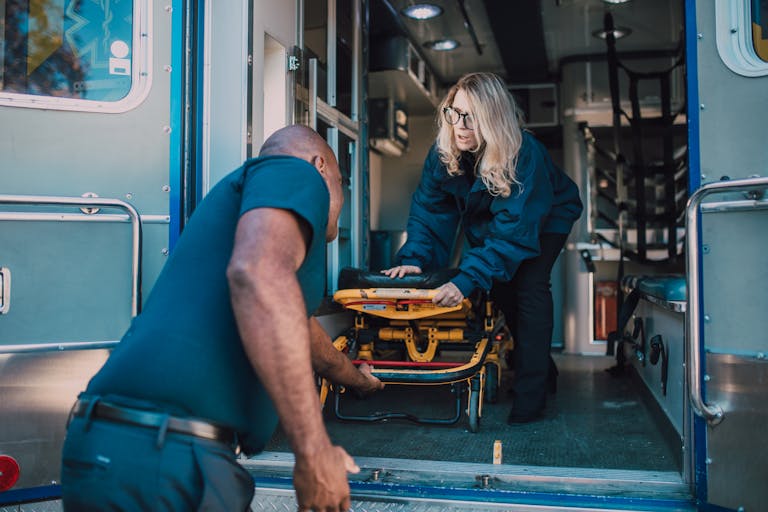
- Secure Equipment: All medical equipment, such as oxygen tanks or stretchers, is securely fastened to prevent shifting during the journey.
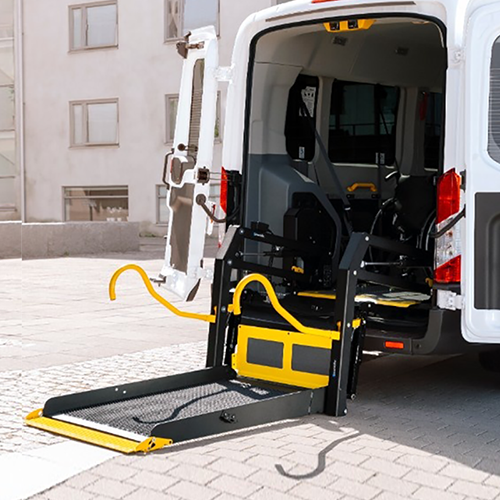
- Accessibility: Wheelchair lifts, spacious interiors, and proper restraint systems ensure safe accommodation for patients with mobility challenges.
Routine vehicle maintenance is critical, ensuring brakes, tires, and safety harnesses are in top condition before each trip. At Yuma Medical Transport, we prioritize vehicle compliance to guarantee patient safety.
3. Trained Personnel and Onboard Care
Safety procedures during medical transport are only as effective as the professionals implementing them. Yuma Medical Transport employs trained medical staff to accompany patients throughout the journey.
What to Expect from Transport Personnel:
- EMTs and Paramedics: Our staff are skilled in vital monitoring and handling medical emergencies during transport.
- Compassionate Assistance: Our team provides emotional support to patients, particularly seniors or those with cognitive conditions like dementia.
- Clear Communication: We maintain close coordination with healthcare providers and family members to ensure everyone is informed of the patient’s condition during transit.
Our commitment to trained professionals ensures safety and compassionate care during long-distance transport.
4. Arizona-Specific Safety Considerations
The Yuma to Phoenix route includes unique challenges specific to Arizona’s geography and climate. Following these region-specific safety considerations guarantees a smoother trip:
Desert Heat Management:
- Summer temperatures can escalate quickly, so it’s vital to keep the vehicle cool and have hydration options readily available for the patient.
Highway Safety Along I-8:
- The primary route between Yuma and Phoenix, I-8, is a long, open highway. Our drivers are trained to manage high-speed risks and are prepared for sudden monsoons during the monsoon season.
Rest Stops and Breaks:
- For non-emergency transfers, we strategically schedule stops for hydration, stretching, or medical check-ins, ensuring the patient remains stable and comfortable.
5. Emotional and Physical Comfort
Transporting a patient long-distance isn’t just about ensuring their physical safety—it’s also about addressing their emotional needs. Patients traveling between Yuma and Phoenix often face stress or anxiety about being far from home.
Suggestions for Enhancing Comfort:
- Bring familiar items like blankets, photos, or music that help ease anxiety during the trip.
- Ensure communication is open and reassuring, especially for seniors or individuals with medical conditions that heighten unease during travel.
- Family members can ride along in many cases, offering support and companionship.
FAQs About Medical Transport Safety Procedures Yuma Phoenix
Q1: Who needs medical transport between Yuma and Phoenix?
Patients with chronic conditions, post-operative needs, mobility challenges, or requiring medical equipment during transit often utilize these services.
Q2: How far in advance should transport be scheduled?
For non-emergency transfers, booking 1-2 weeks in advance is ideal to allow enough time for a thorough assessment and meticulous planning.
Q3: Can family members accompany the patient?
Yes, Yuma Medical Transport allows family members or caregivers to travel alongside the patient for support.
Q4: What happens if there’s an emergency during transit?
Our trained medical personnel, including EMTs and paramedics, are equipped to handle emergencies onboard and coordinate with nearby medical facilities if needed.
Q5: Does insurance cover medical transport between these cities?
Some insurance plans may cover non-emergency transport costs, but many families choose private pay options for faster and more customizable services.
Conclusion
Arranging long-distance medical transport between Yuma and Phoenix involves much more than simply booking a vehicle—it’s about prioritizing patient safety, comfort, and care at every step. By understanding and implementing the essential medical transport safety procedures Yuma Phoenix, families can ensure a smooth and worry-free journey.
With expert providers like Yuma Medical Transport, families can rest assured knowing their loved ones are in capable hands. From meticulous preparations to climate-controlled vehicles and trained professionals, every detail is managed for a seamless transfer. For added flexibility and peace of mind, families can also explore private pay options, allowing for personalized services tailored to the patient’s needs.