Revolutionize Patient Care: Essential Transport Solutions for Healthcare Providers in Arizona
In the fast-paced world of healthcare, reliable transportation is the backbone of a seamless care journey. Whether it’s moving patients to their medical appointments, ensuring timely discharges, or coordinating transfers between facilities, efficient transport solutions for healthcare providers AZ are critical to maximizing patient care and operational success.
As Arizona’s healthcare providers juggle the complexities of modern care delivery, transportation needs demand comprehensive, effective, and patient-centered solutions. This guide examines the best practices and considerations for healthcare administrators looking to streamline their transportation processes while delivering the highest standards of care.
Introduction: Why Transport Solutions Are Essential in Healthcare
Healthcare transportation is more than just logistics—it’s a continuation of care. Patients rely on hospitals, hospices, and other medical providers to ensure they can access essential services safely and on time. From non-emergency patient transport to long-distance transfers, tailored solutions keep the care experience smooth for patients and stress-free for administrators.
Reliable transport solutions for healthcare providers AZ empower providers to bridge gaps in access, enhance patient satisfaction, and reduce inefficiencies. Services like Yuma Medical Transport cater to these needs with customizable systems and expert-backed support across Arizona’s unique healthcare landscape.
Key Points to Consider for Transport Solutions for Healthcare Providers in AZ
1. Prioritize Patient-Centered Transportation
Every patient’s needs are unique, and transportation services should always consider patient comfort, safety, and specific medical requirements. Best practices include:
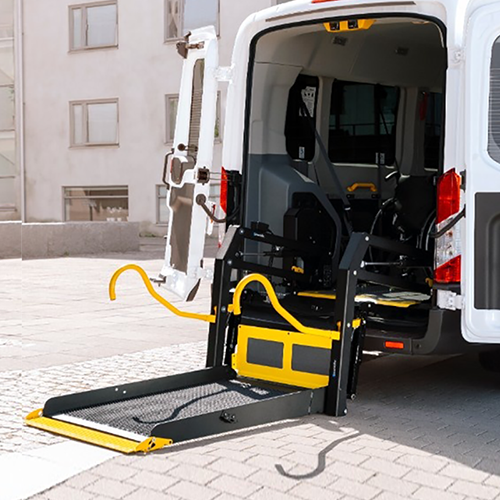
- Accommodation for mobility challenges: Wheelchair-accessible and stretcher-equipped vehicles ensure all patients can travel safely and comfortably.
- Onboard medical assistance: For patients requiring oxygen, IV support, or other medical monitoring, having trained professionals during transit is key.
- Comfort-forward features: Vehicles should have clean, climate-controlled interiors to enhance the experience for patients, especially in Arizona’s extreme temperatures.
Providers like Yuma Medical Transport excel at offering these tailored, patient-centric options that complement the high standards of care provided by healthcare facilities.
2. Optimize Scheduling and Coordination
Efficiently coordinating transportation processes can save time and resources while improving patient satisfaction. Some best practices are:
- Advanced booking platforms: Digital scheduling tools allow administrators to book rides, track vehicles, and manage changes without juggling endless calls.
- Real-time updates: GPS-based tracking provides live updates for both care teams and families, avoiding confusion and ensuring a seamless experience.
- Coordination with healthcare teams: Clear communication between transport providers, care staff, and receiving facilities eliminates delays and inconsistencies.
By creating a streamlined process for transportation scheduling, healthcare providers can reduce friction and focus on their core mission: patient care.
3. Address Long-Distance Transport Needs
Arizona’s vast geography often requires expanded transport services for patients traveling longer distances for specialized care, facility transfers, or end-of-life preferences. Long-Distance Transport services are designed to bridge these gaps effectively:
- Patient comfort during extended trips: Vehicles equipped with reclining seats, stretchers, and calm environments ensure patients are as comfortable as possible.
- Onboard monitoring: Having trained professionals accompany patients provides an extra layer of safety and peace of mind.
- Coordination across regions: Collaboration between healthcare teams and receiving facilities ensures the patient’s care plan remains uninterrupted regardless of location.
With long-distance transport, healthcare providers can ensure even remote or rural patients access the care they need.
4. Flexible Financial Solutions
Cost transparency and flexibility are critical in making transport accessible to all patients, regardless of financial circumstances. Consider these approaches:
- Insurance coordination: Many non-emergency transport needs are covered by Medicare, Medicaid, or private insurance plans. Work with patients to verify their coverage.
- Private Pay Options: Offering pay-on-demand or tailored payment plans keeps transport solutions accessible for patients without insurance or those requiring additional services.
- Contracting with providers: Negotiating service agreements with transport providers to manage ongoing needs or frequent travel can save money and resources over time.
Clear and flexible payment models help patients and families feel supported, reducing financial burdens during often stressful healthcare situations.
5. Ensure Safety and Compliance
Safety isn’t just a consideration—it’s a non-negotiable for healthcare transportation systems. Here’s how to ensure compliance and security:
- Licensed and insured providers: Verify that all transport providers meet state and federal compliance requirements for medical transportation services.
- Driver professionalism and training: Ensure drivers are trained in CPR, non-emergency patient care, and safety protocols for transporting individuals with medical needs.
- Vehicle inspections: Regular maintenance and thorough safety checks keep vehicles in top condition and reduce the chances of incidents during transit.
A safety-first approach guarantees peace of mind for patients, families, and healthcare providers alike.
6. Focus on Compassionate Care
Transportation for healthcare isn’t just about logistics—it’s about ensuring every patient interaction reflects the values of compassionate care provided by the healthcare organization. What makes the difference:
- Patient-first drivers and staff: Ensure that transport personnel are trained to interact with patients and families respectfully and empathetically.
- Accommodating family members: Allow loved ones to join the journey whenever possible, helping patients feel less isolated during transfers.
- Prompt response times: Be ready to address urgent requests while maintaining high standards of care and professionalism.
With a compassionate approach, transport services become an extension of the care your facility is known for, further building trust with patients and their families.
FAQs About Transport Solutions for Healthcare Providers AZ
Q: What do transport solutions for healthcare providers typically include?
A: These solutions cover non-emergency medical transport for appointments, discharge services, long-distance transfers, and facility moves, accommodating patients with mobility or medical needs.
Q: Are long-distance transport services common for healthcare use?
A: Yes, long-distance solutions are often required for rural patients accessing specialists in urban centers or for transferring patients to facilities in other states.
Q: How do healthcare providers manage transport costs?
A: Costs can be reduced through insurance billing, flexible Private Pay Options, and negotiating long-term provider contracts for frequent transportation needs.
Q: What safety features should be prioritized in healthcare transport?
A: Providers must have licensed and insured vehicles, CPR-trained drivers, and rigorously maintained equipment to ensure compliance and safety.
Q: How can hospitals streamline transport scheduling?
A: Utilize automated scheduling platforms, GPS tracking tools, and real-time communication to manage both patient and provider scheduling efficiently.
Conclusion: Elevating Healthcare with Reliable Transport Solutions
Transportation forms the foundation of access to healthcare, playing a vital role in ensuring patients receive uninterrupted and high-quality care. With the right transport solutions for healthcare providers AZ, hospitals and hospices can improve patient experiences, safeguard continuity of care, and optimize their operational efficiency.
By partnering with reliable services like Yuma Medical Transport, and leveraging Long-Distance Transport and Private Pay Options, healthcare administrators can make patient transport stress-free and effective. From rural areas to bustling cities, these solutions ensure every mile traveled is one step closer to better health and well-being.